




















返回列表
基于高光谱成像技术的不同状态小麦籽粒识别
农业监测
2026/09/21
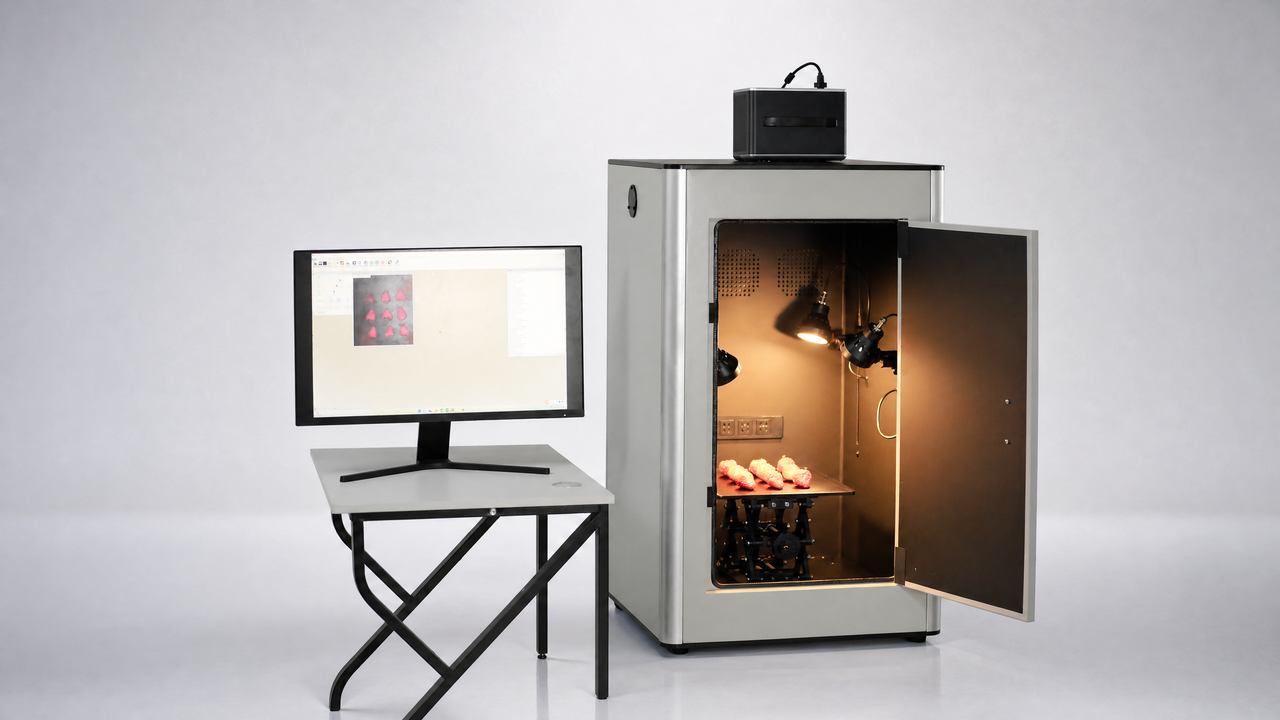
摘要:不同状态小麦籽粒的无损识别对提高小麦产品品质具有重要作用。本研究探讨利用高光谱成像技术区分健康小麦 籽粒、发芽小麦籽粒、霉变小麦籽粒和皱缩小麦籽粒(感染镰刀菌赤霉病的小麦籽粒)的可能性。对单个小麦粒两侧进 行高光谱成像(( 866.4~1701.0nm),获取高光谱立方体数据。采用标准化和多重散射校正对光谱数据进行预处理,并利用 主成分加载法提取小麦籽粒两侧的特征波长。将样本分为校准集、测试集和验证集,校准集数据用于训练偏最小二乘判 别分析模型、K 近邻模型和支持向量机模型,测试集数据用于测试模型。结果表明正反光谱数据均能取得较好的分类效 果,而反向光谱数据表现更佳,通过相互比较,选定支持向量机模型为最佳分类模型。最后利用两幅未参与训练和测试 的高光谱图像(反面)验证所建立的支持向量机模型的准确性,并可视化了 4 种小麦粒的分类效果图。结果表明基于高 光谱成像技术对不同状态下的小麦粒进行无损分类是可行的
关键词:高光谱成像;多元散射校正;主成分分析;支持向量机;小麦粒
期刊:SPECTROSCOPY LETTERS
DOI:https://DOI.org/10.1080/00387010.2019.1639762
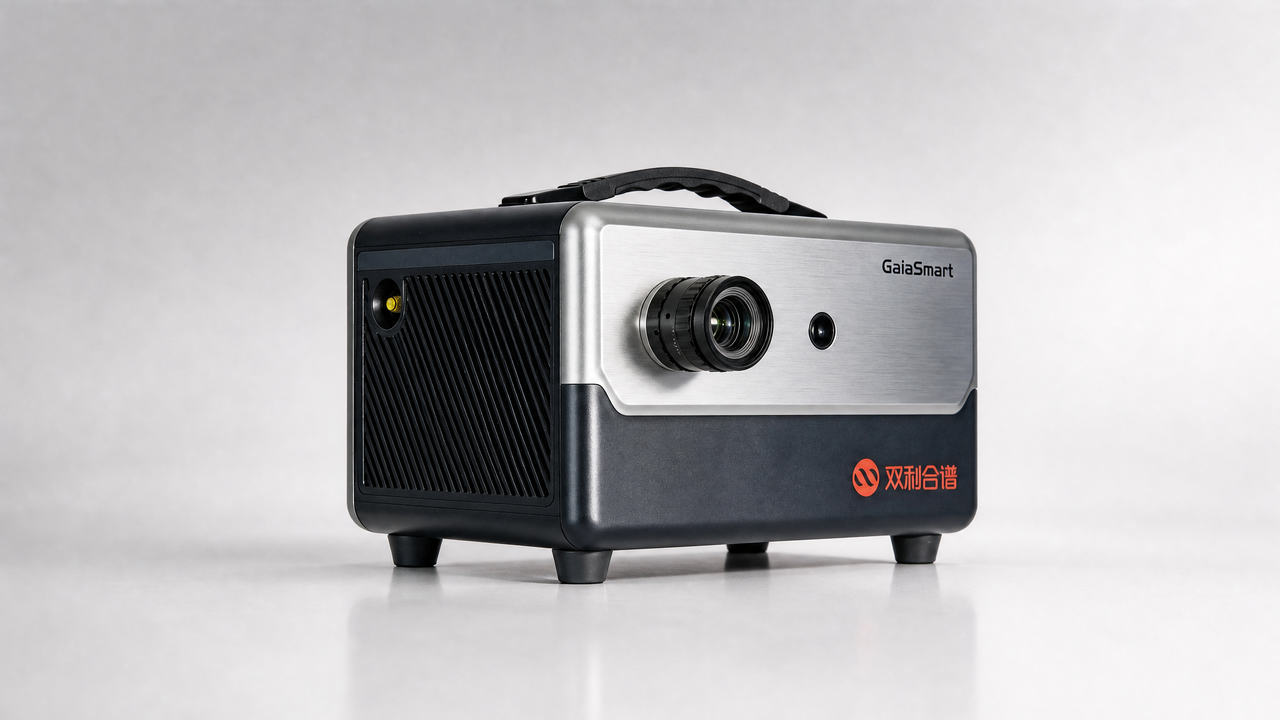
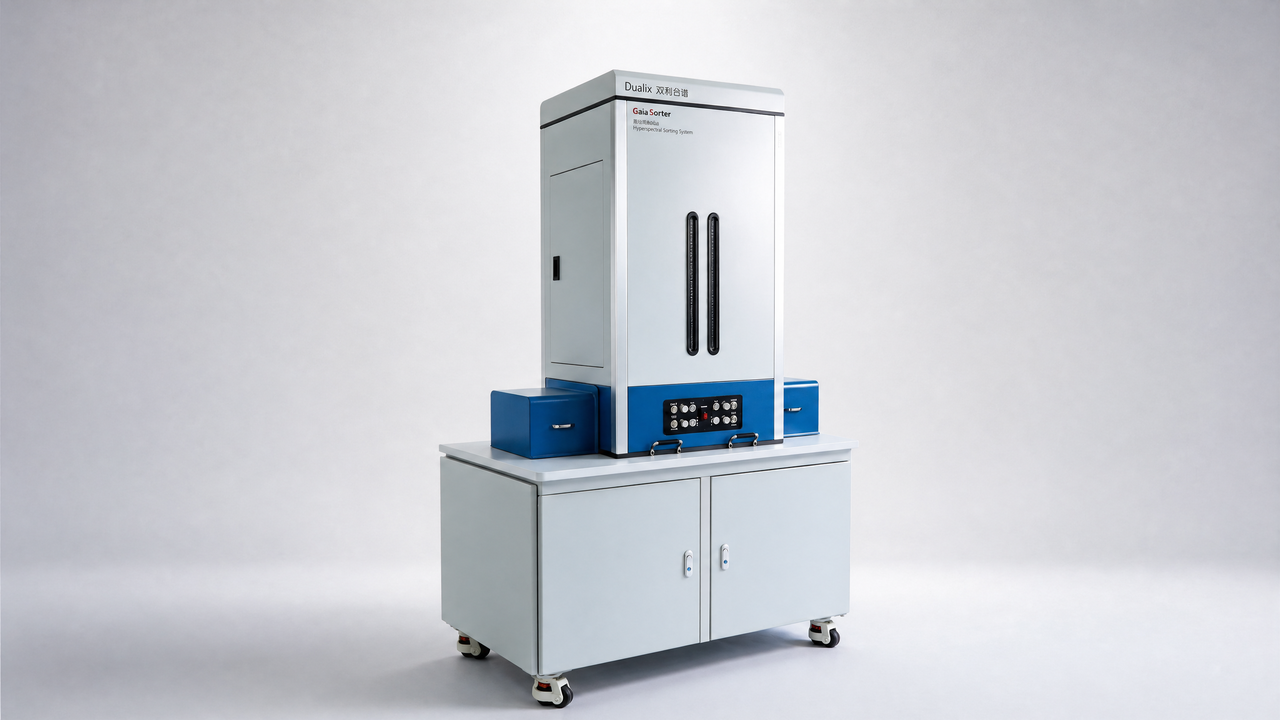
设备:GaiaSorter
Identification of wheat grain in different states based on hyperspectral imaging technology
Abstract:: Nondestructive identification of wheat grains in different states plays an important role in improv ing the quality of wheat products. This study investigated the possibility of using hyperspectral imaging techniques to discriminate healthy wheat grain, germinated wheat grain, mildewed wheat grain, and shriveled wheat grain (wheat grain infected with fusarium head blight). Both sides of individual wheat kernels were subjected to hyperspectral imaging (866.4–1701.0nm) to acquire hyperspectral cube data. Spectral data were preprocessed by using standardization and multiple scattering correction. In addition, the principal component loading method was used to extract the characteristic wavelengths of both sides of wheat grains. The sample is divided into calibration set, test set, and validation set. The data of the calibration set are used to train the partial least squares discriminant analysis model, K-nearest neighbor model, and the support vector machine model, and the test set data are used to test the model. The results show that spectral data of both sides can achieve good classification results, while the reverse spectral data perform better. By comparing with each other, the support vector machine model is selected as the best classifi cation model. Finally, using two hyperspectral images (reverse side) that are not involved in train ing and testing to verify the accuracy of the established support vector machine model, and the classification effect maps of the four wheat grains were visualized. The results indicate that non destructive classification of wheat grains in different states is feasible based on hyperspectral imaging technology
Keywords:Hyperspectral imaging; multivariate scatter correction; principal component analysis; support vector machine; wheat grain