














返回列表
基于高光谱成像技术和全基因组关联研究对水稻籽粒蛋白质含量表型进行分析
农业监测
2026/09/21
摘要:高效准确地获取水稻籽粒蛋白质含量 (GPC) 对于选择优质水稻品种非常重要,而遥感技术是完成这项任务的一种 有吸引力的潜在方法。然而,由于大多数多光谱传感器的光谱带较宽,因此它们对 GPC 的预测效果较差。高光谱技术 为弥合表型组学和基因组学之间的差距提供了一种新的分析技术。然而,典型数据集的规模较小,这对估计 GPC 的模 型构建是一个制约因素,限制了它们的准确性并降低了它们推广到各种品种的能力。在本研究中,我们使用来自 515 个 粳稻品种的水稻籽粒的高光谱数据和深度卷积生成对抗网络 (DCGAN) 来生成模拟数据,以提高模型精度。应用连续小 波变换 (CWT) 提取对 GPC 敏感的特征,并通过偏最小二乘回归 (PLSR) 构建估计的 GPC 模型。最后,对实测和生成 的数据集进行全基因组关联分析(GWAS)以检测GPC位点。结果表明,经过8000个epoch后生成的模拟GPC值与实 测值最为接近,其中对 200 个模拟样本进行加权后得到的小波特征(WF1743,2)的 GPC 估计精度最高(R2=0.58, RRMSE=6.70%)。GWAS分析表明,基于模拟数据的估计值检测到了与实测值相同的位点,包括与籽粒储存蛋白相关的 OsmtSSB1L基因。本研究为基于高光谱技术进行水稻表型性状的高效遗传研究提供了一种新技术。
期刊:PLANT PHENOMICS
DOI:10.34133/plantphenomics.0200
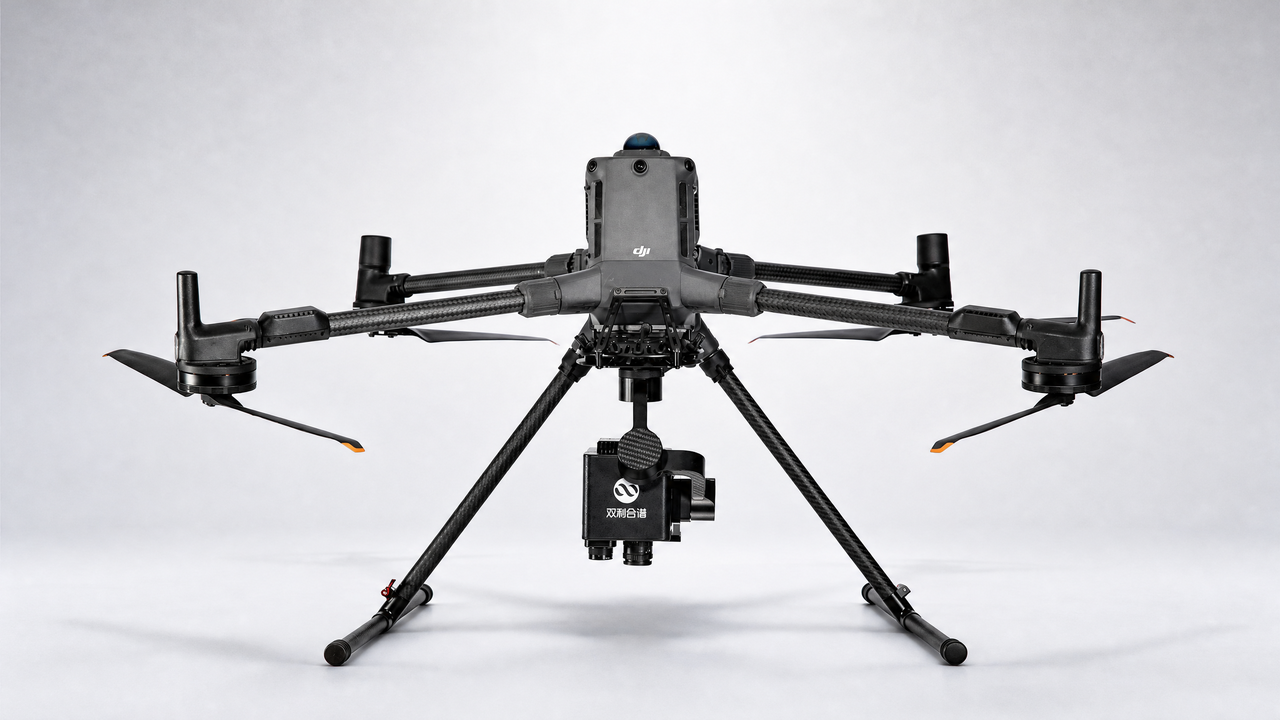
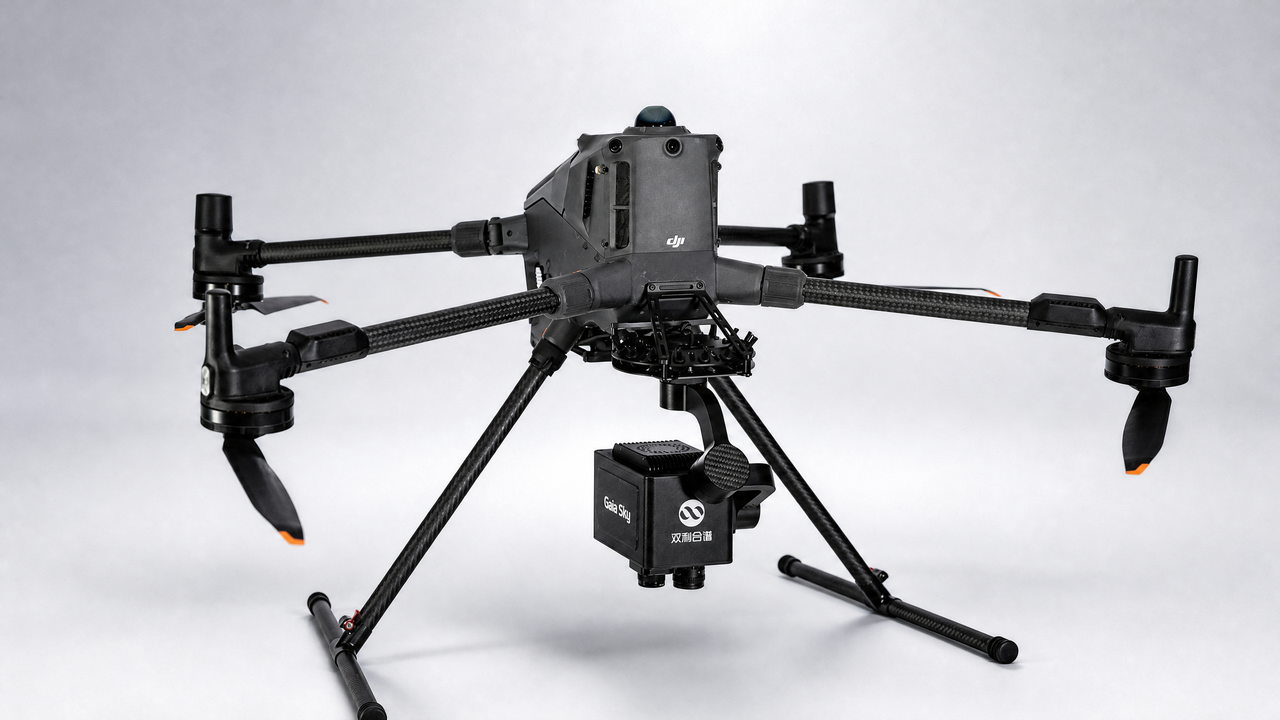
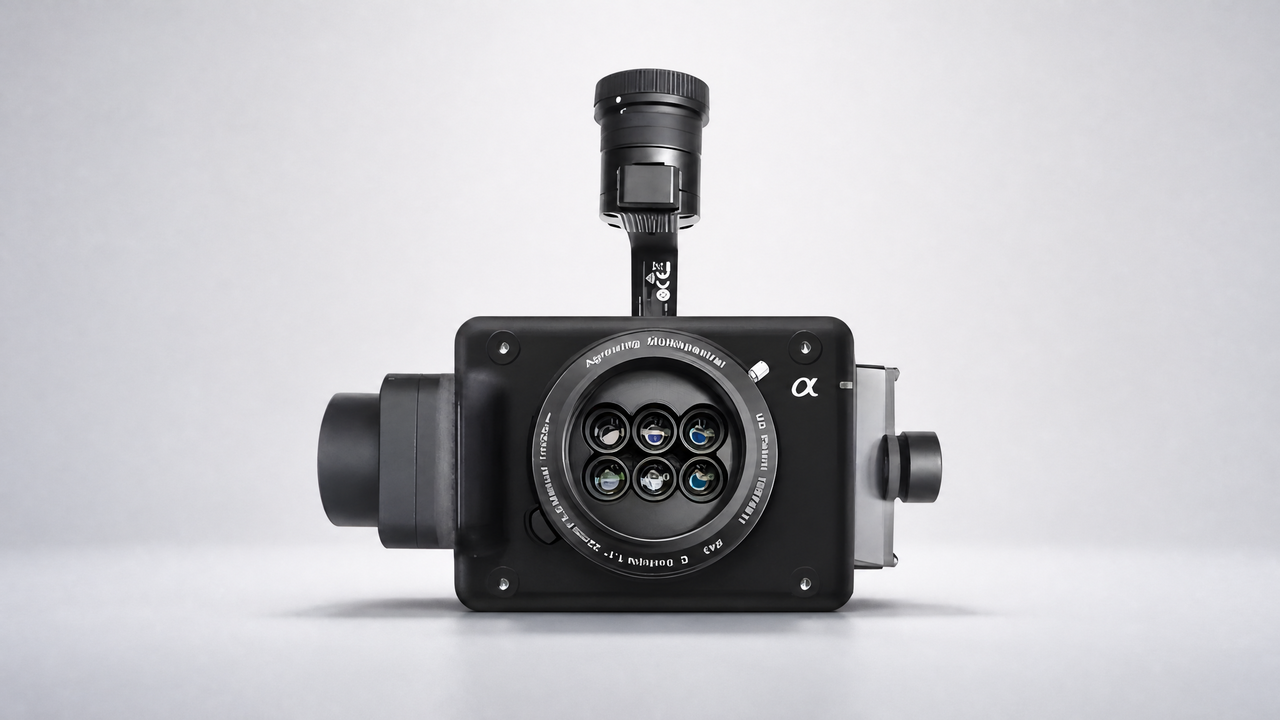
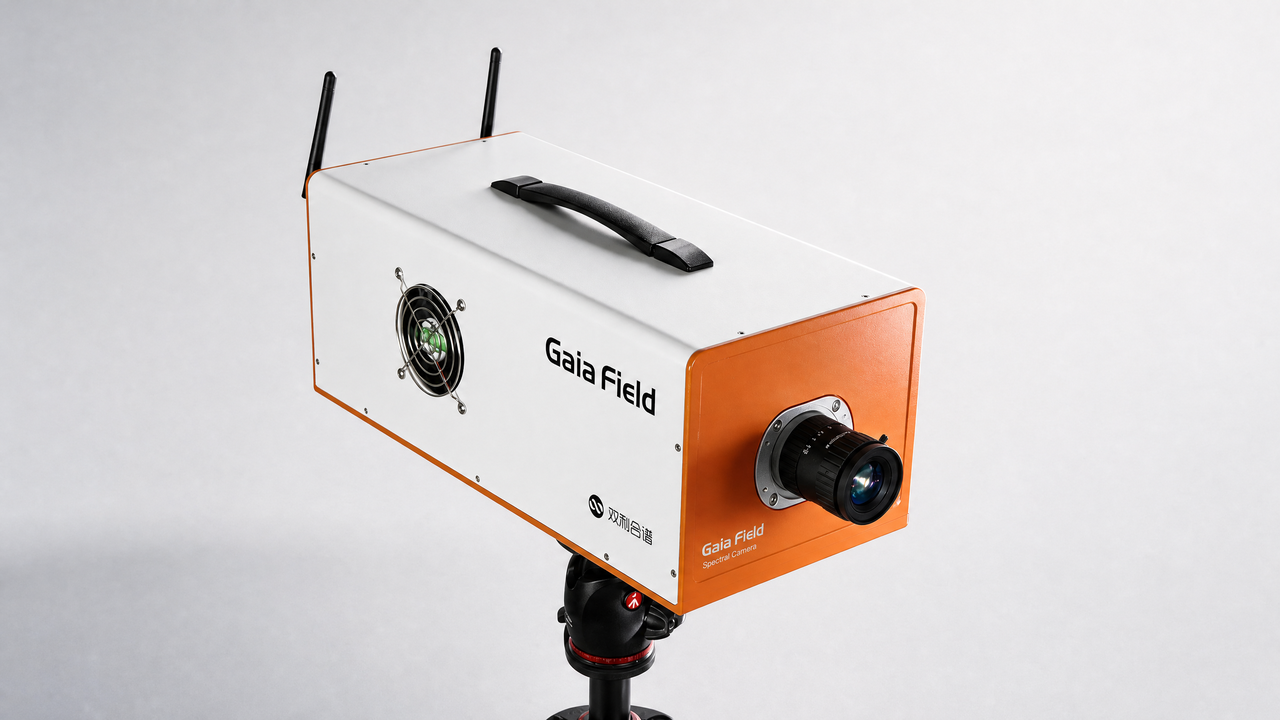
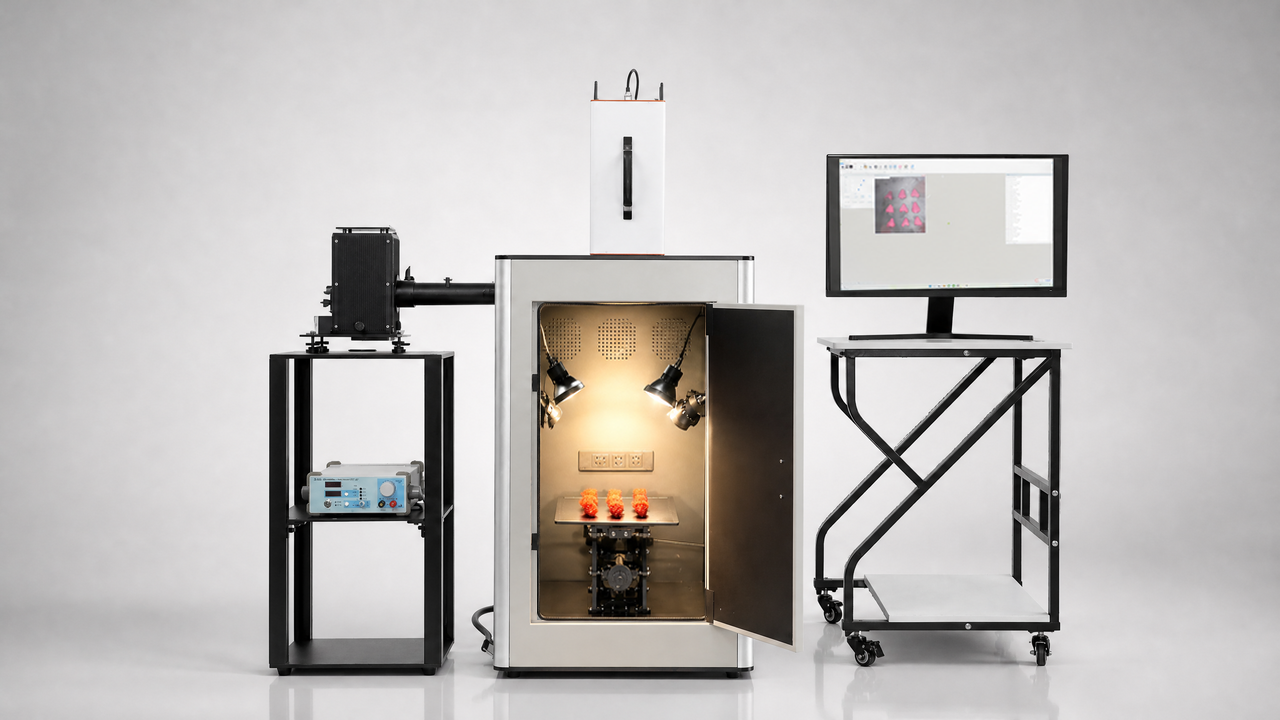
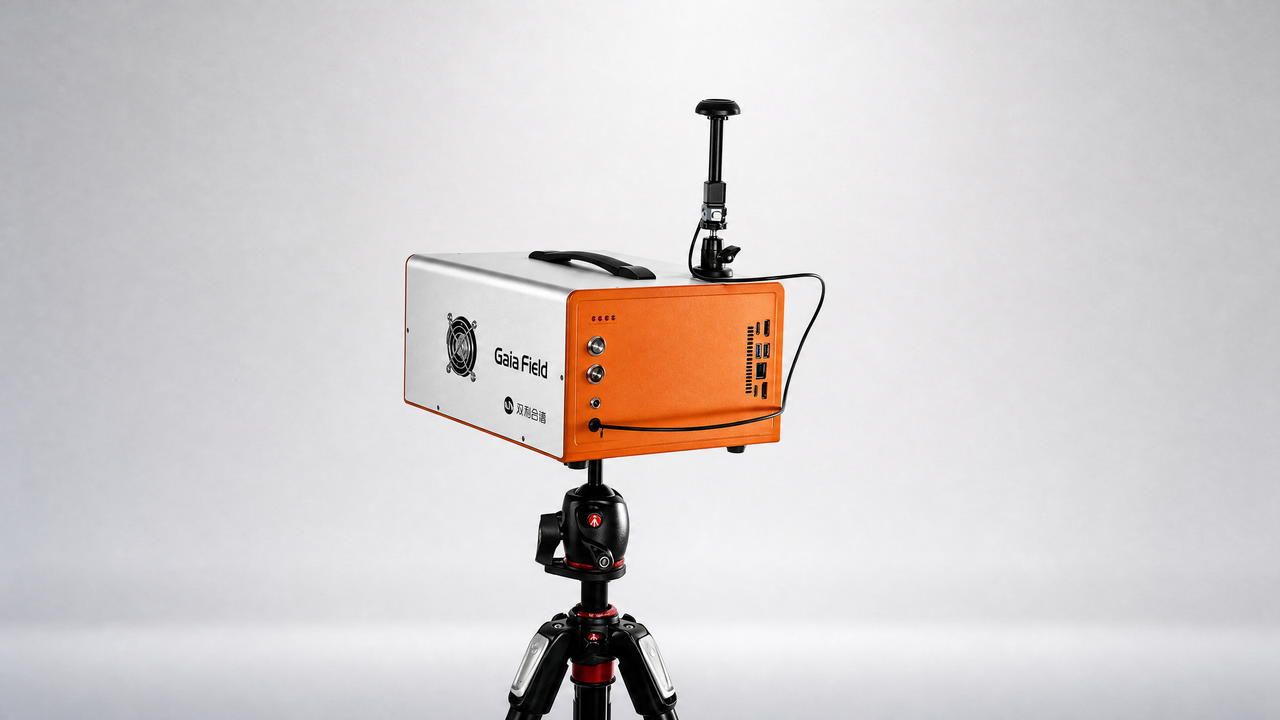
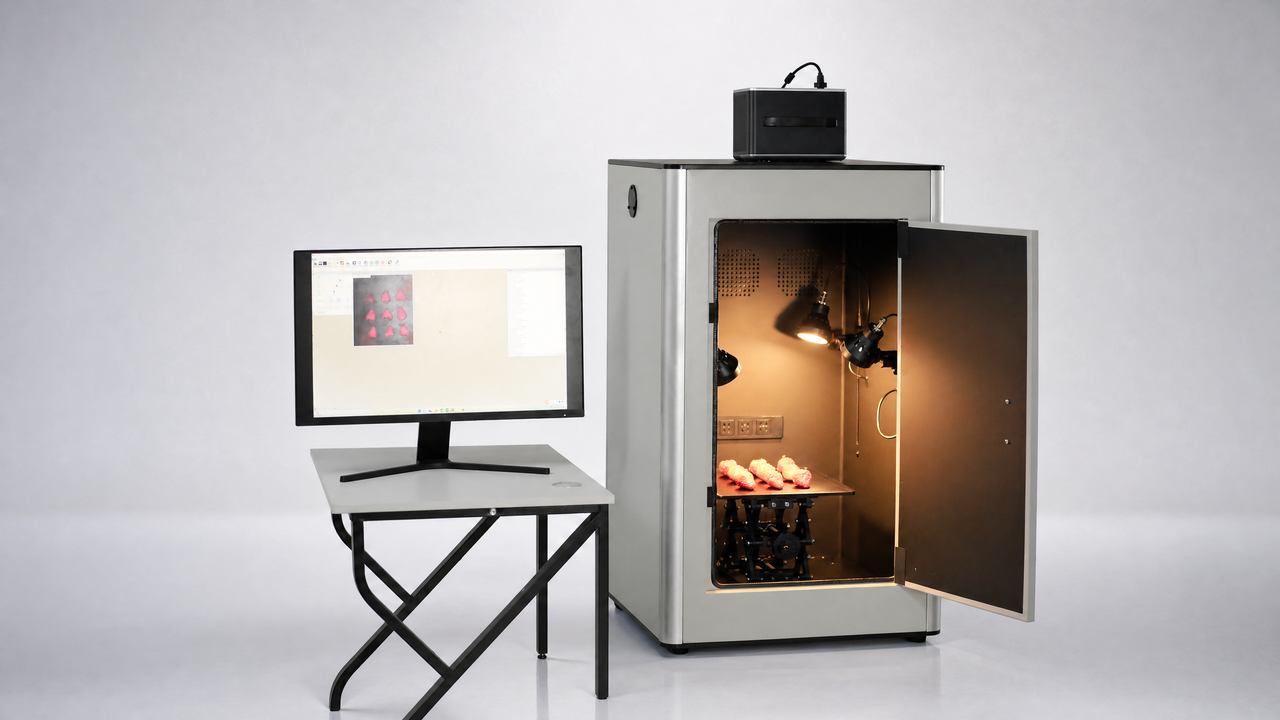
设备:GaiaField
Grain Protein Content Phenotyping in Rice via Hyperspectral Imaging Technology and a Genome-Wide Association Study
Abstract:Efficient and accurate acquisition of the rice grain protein content (GPC) is important for selecting high quality rice varieties, and remote sensing technology is an attractive potential method for this task. However, the majority of multispectral sensors are poor predictors of GPC due to their broad spectral bands. Hyperspectral technology provides a new analytical technology for bridging the gap between phenomics and genomics. However, the small size of typical datasets is a constraint for model construction for estimating GPC, limiting their accuracy and reducing their ability to generalize to a wide range of varieties. In this study, we used hyperspectral data of rice grains from 515 japonica varieties and deep convolution generative adversarial networks (DCGANs) to generate simulated data to improve the model accuracy. Features sensitive to GPC were extracted after applying a continuous wavelet transform (CWT), and the estimated GPC model was constructed by partial least squares regression (PLSR). Finally, a genome-wide association study (GWAS) was applied to the measured and generated datasets to detect GPC loci. The results demonstrated that the simulated GPC values generated after 8,000 epochs were closest to the measured values. The wavelet feature (WF1743, 2), obtained from the data with the addition of 200 simulated samples, exhibited the highest GPC estimation accuracy (R2 = 0.58 and RRMSE = 6.70%). The GWAS analysis showed that the estimated values based on the simulated data detected the same loci as the measured values, including the OsmtSSB1L gene related to grain storage protein. This study provides a new technique for the efficient genetic study of phenotypic traits in rice based on hyperspectral technology.