















返回列表
利用高光谱指数和机器学习分类器增强小麦赤霉病检测
农业监测
2026/09/21
摘要:小麦赤霉病是小麦籽粒形成的关键期病害,严重危害小麦的品质和产量。鉴于这些,近红外高光谱成像和非成像 数据的能力进行了探索,以开发小麦镰刀菌光谱指数(( WFSI)和小麦镰刀菌纹理指数(( WFTI)的独立的三年数据集,使 用一致选择的小波特征(( WF)和纹理特征(( TF)。随后,五个分类器(Knn,RF,SVM,NN和Xgboost)被用来充分探索 所选择的特征,并评估新开发的FHB分类准确性指标。多次测定结果表明,穗病原菌互作过程中生化和光谱的变化与赤 霉病的发生发展是一致的。在症状前量表上,WFSI1、WFSI2、WFTI1和WFTI2分别在所有分类器中表现出的平均分类 准确率(( ACA)分别为78.90%、72.0%、73.60%和71.0%。在疾病量表(( DS)2(( 3- 5%疾病患病率)下,对于成像数据, WFSI1、WFSI2、WFTI1和WFTI2的ACA分别增加至90.10%、90.30%、88.10%和85.40%。此外,2019年,2020年和 2021年所有四个开发指数的融合显示ACA分别增强了79.05%,76.75%和78.59%。在DS 2时,融合的四个发展指数在 三年中的ACA分别增加到98.06%、89.68%和94.83%,并且对于较高的DS(( 10-100%疾病患病率)也表现出较高的准确 性。在所有分类器中,神经网络(( NN)在Xgboost之后表现更好。开发的指数也被采用,并成功地证明了独立的数据集 从成像和非成像传感器。这项工作揭示了高光谱信息在提高FHB早期监测在精准农业应用中的前景。
关键词:赤霉病;指数开发;症状前检测;一致性特征选择;数据融合;机器学习分类器。
期刊:Computers and Electronics in Agriculture
DOI:https://doi.org/10.1016/j.compag.2024.108663
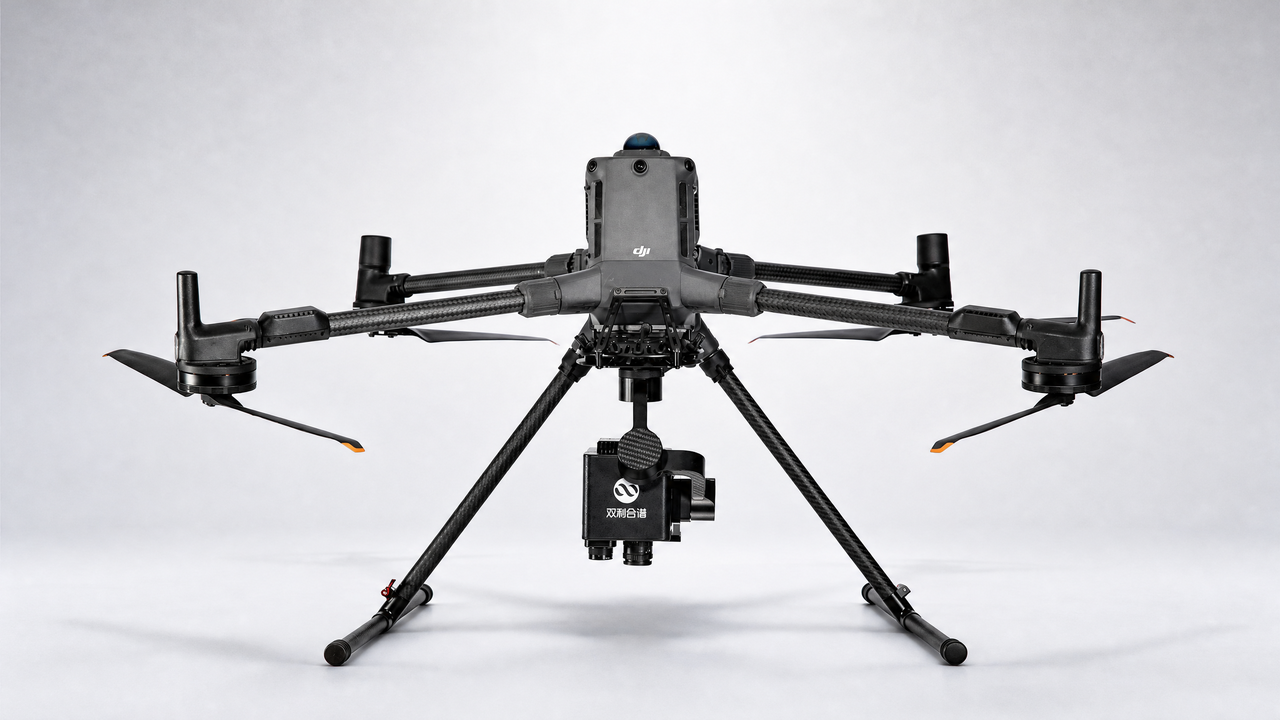
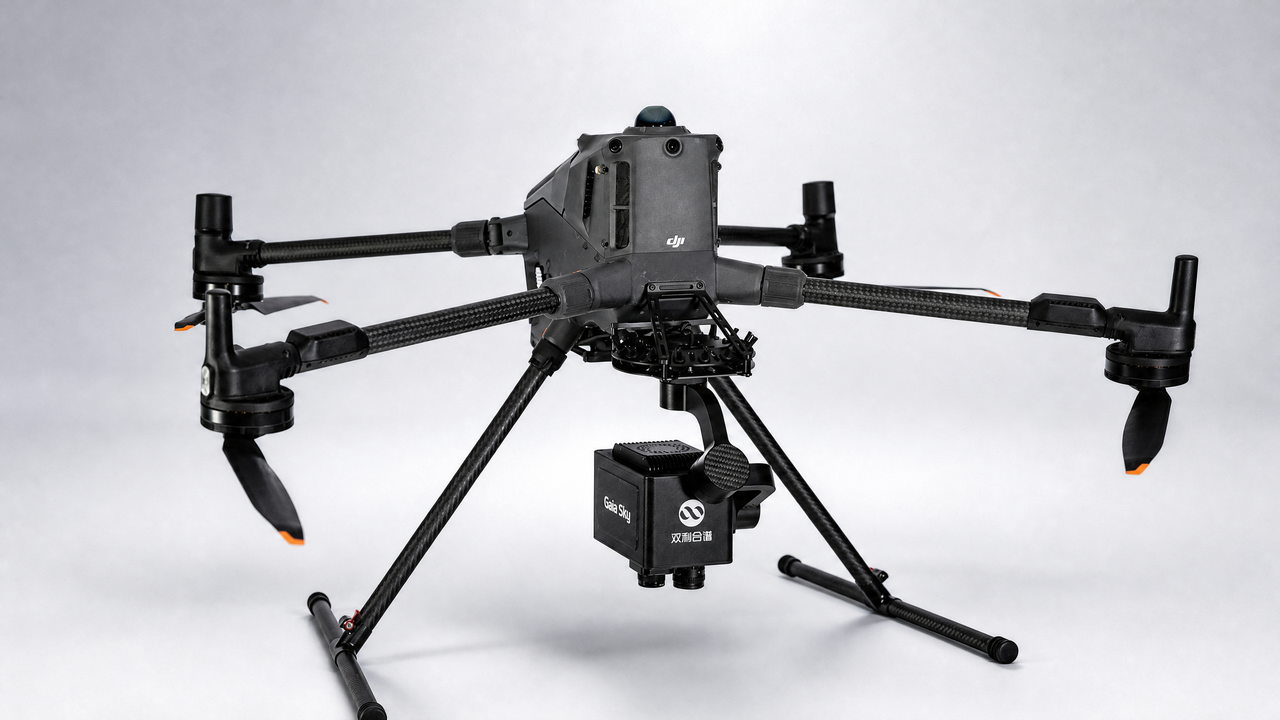
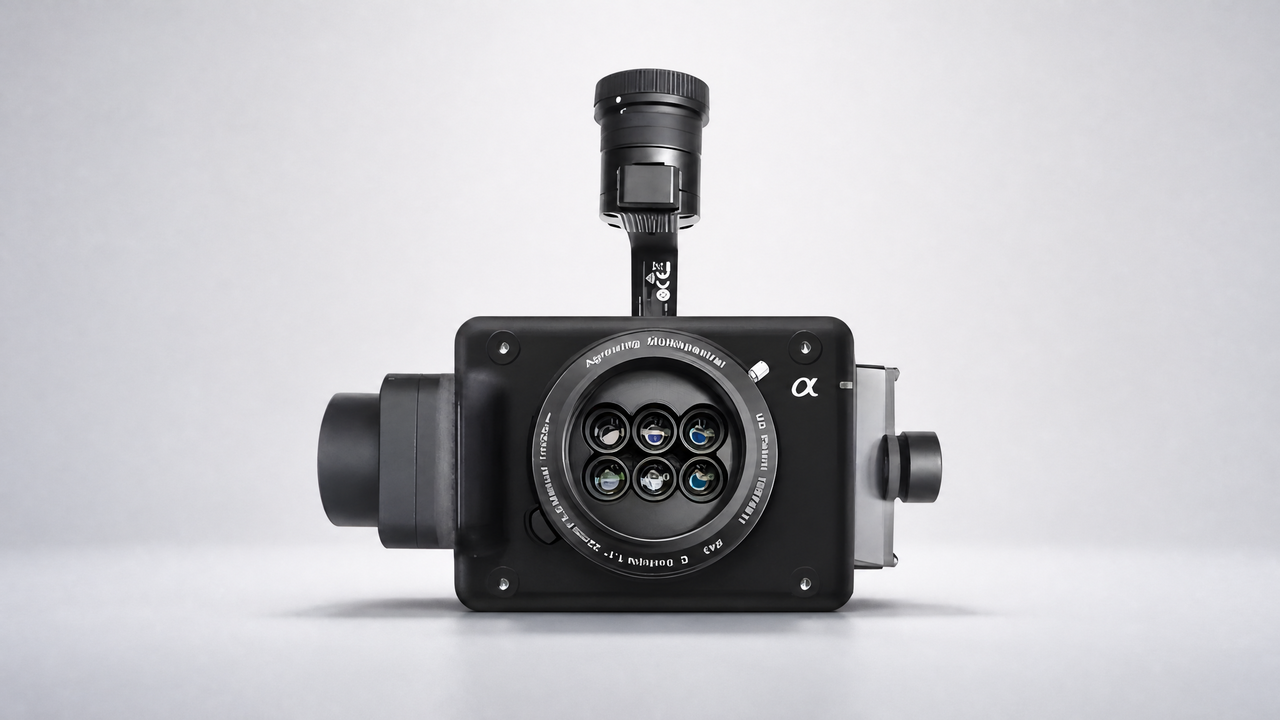
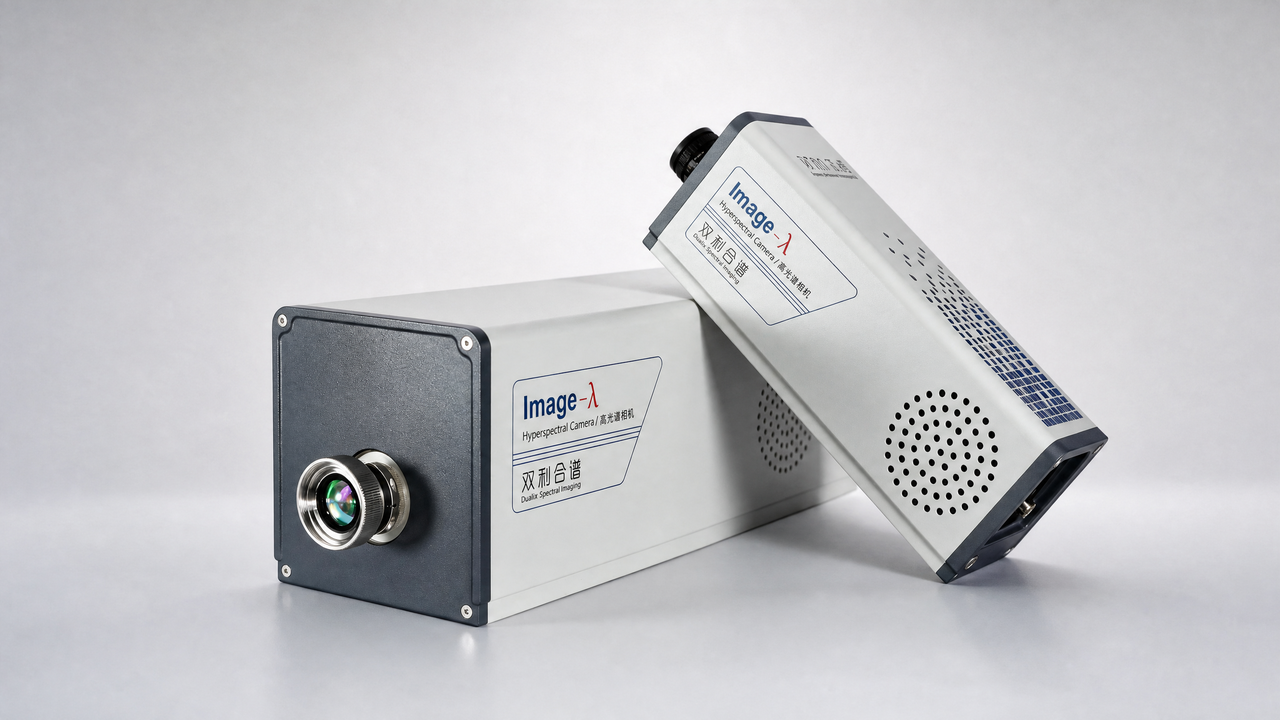
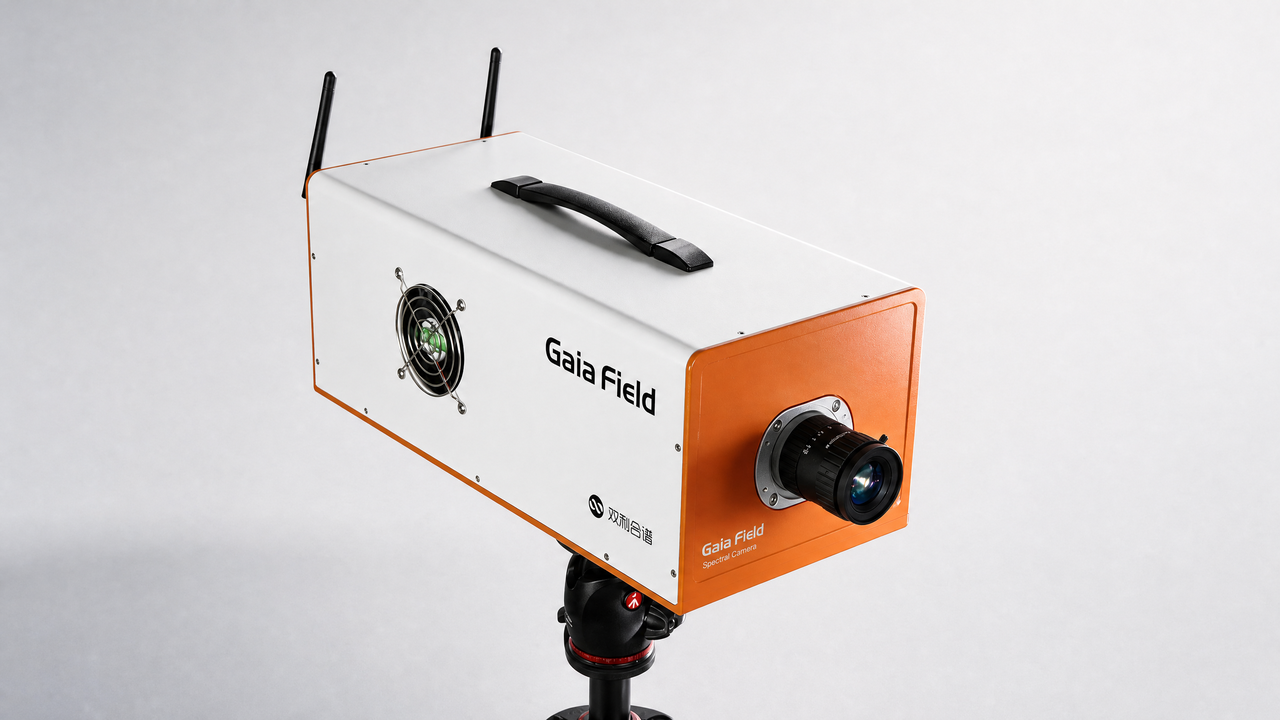
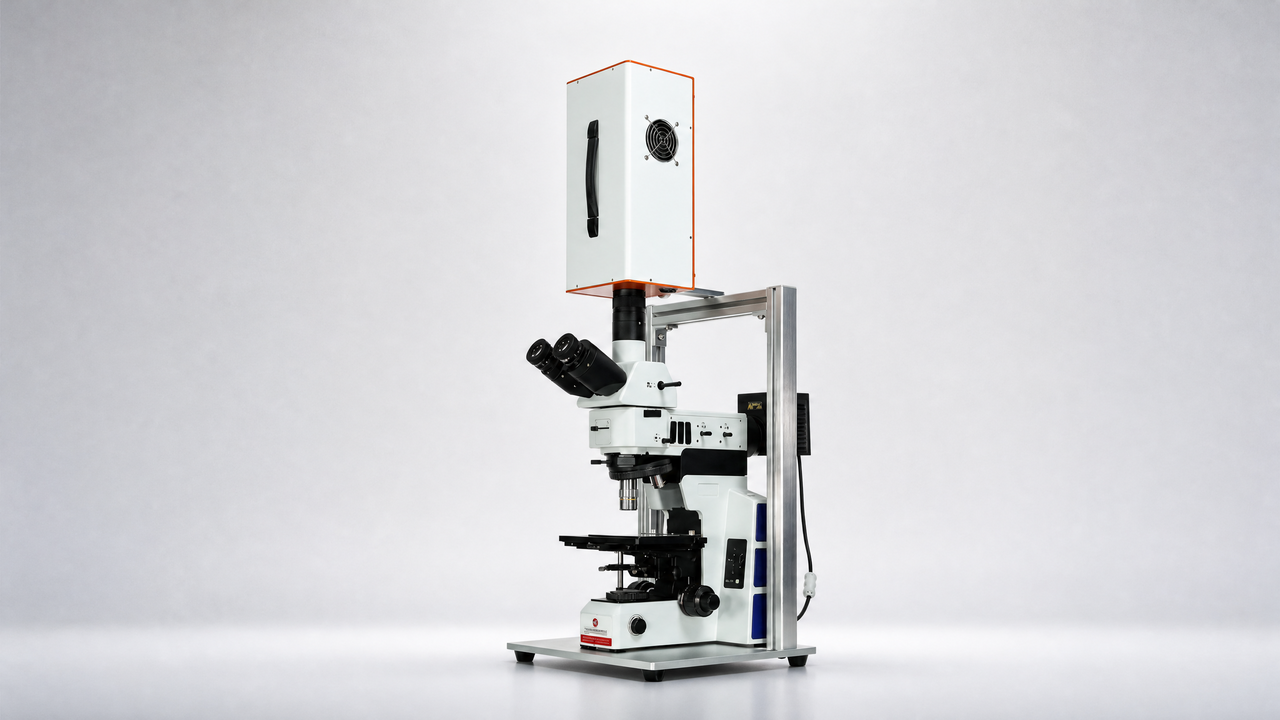
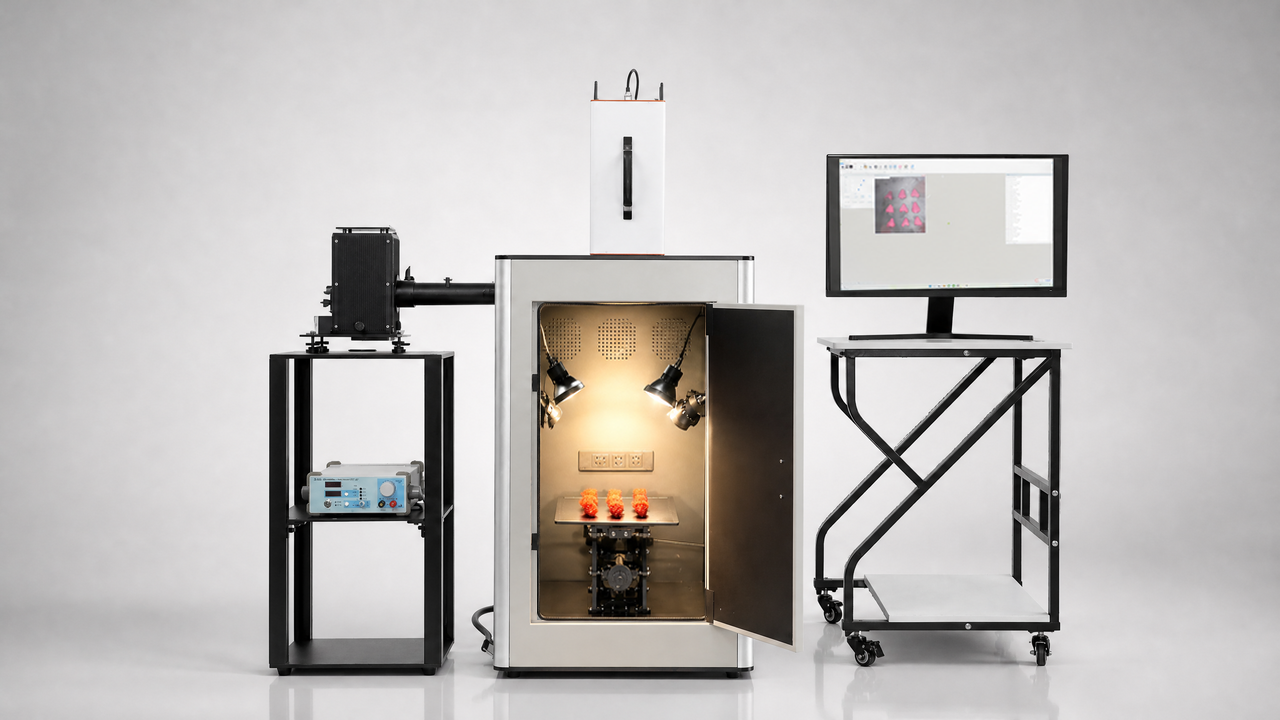
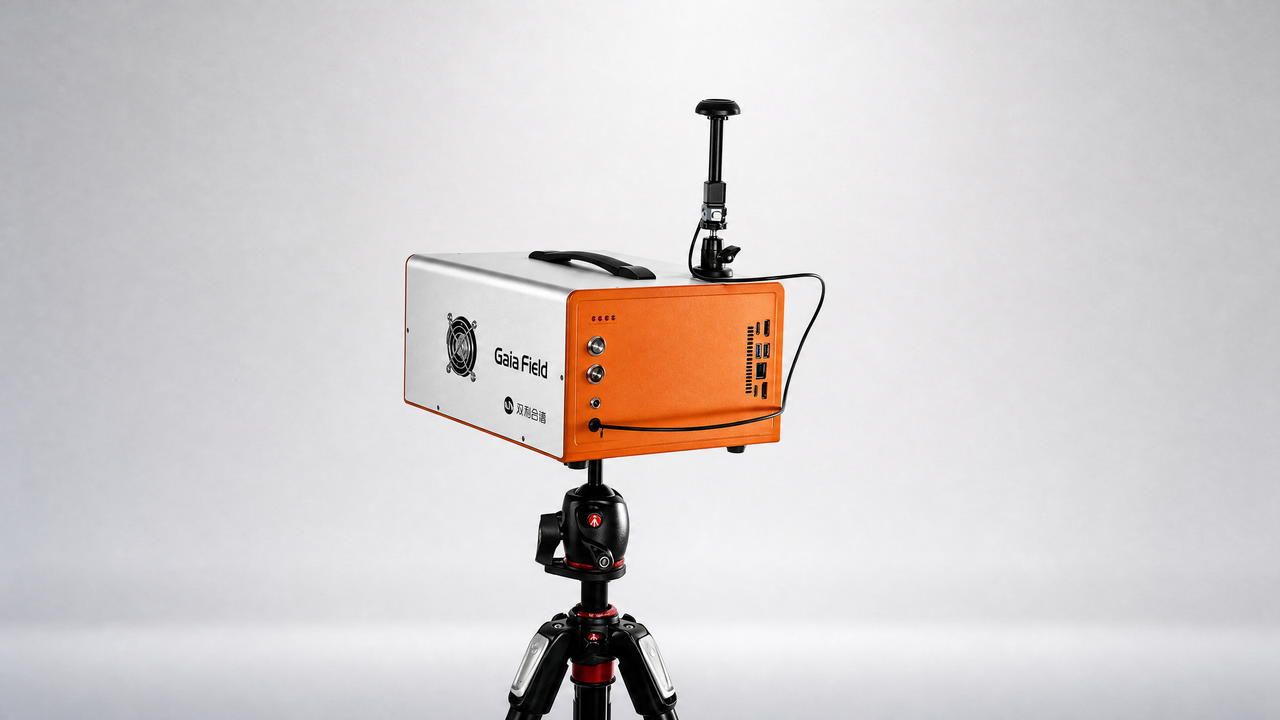
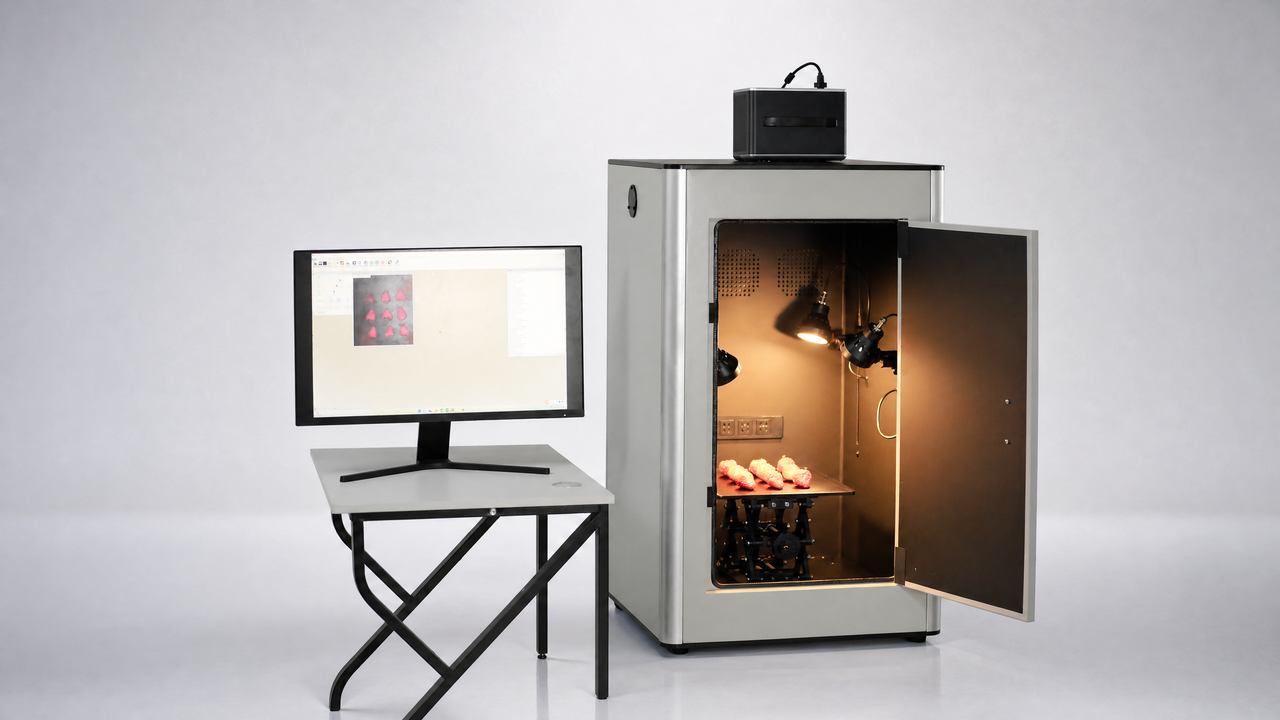
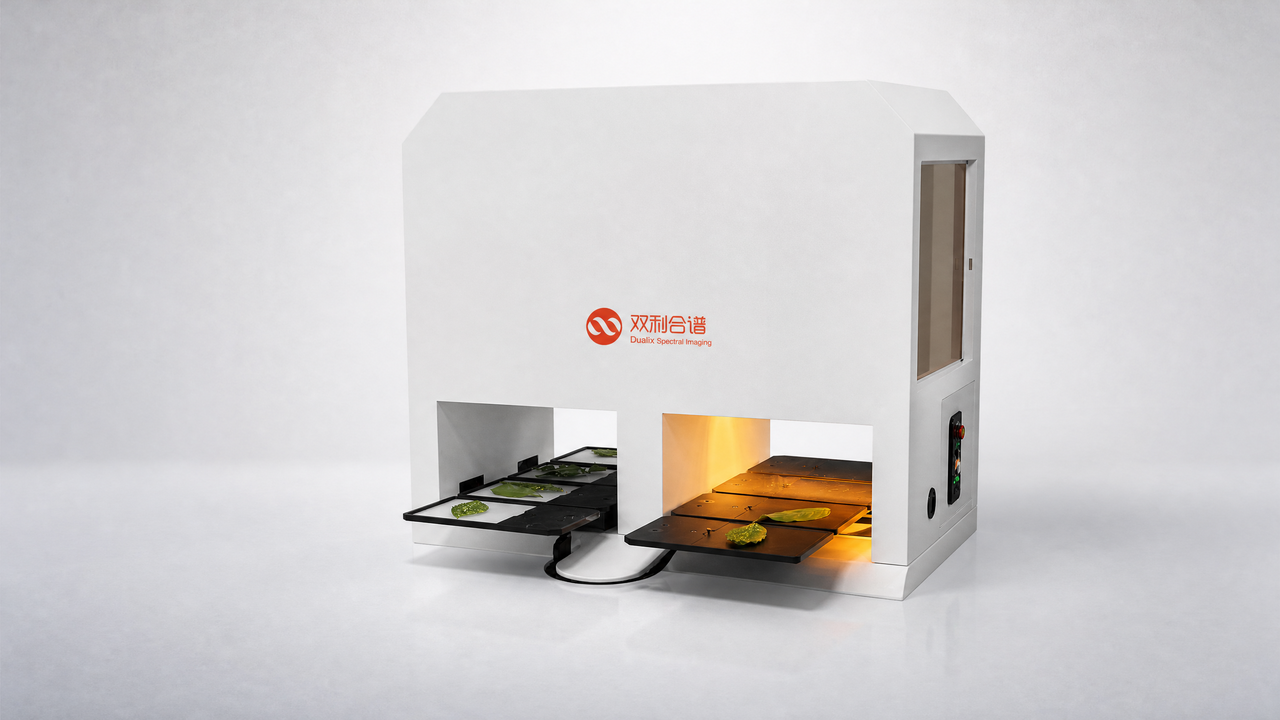
设备:GaiaField
Enhancing fusarium head blight detection in wheat crops using hyperspectral indices and machine learning classifiers
Abstract:Fusarium head blight (FHB) pathogen jeopardizes the quality and yield of wheat crops at critical grain formation stages. Given these, the capability of near-infrared hyperspectral imaging and non-imaging data was explored to develop wheat fusarium spectral indices (WFSI) and wheat fusarium texture indices (WFTI) on independent three-year datasets using consistently selected wavelet features (WFs) and texture features (TFs). Subsequently, five classifiers – Knn, RF, SVM, NN and Xgboost – were employed to fully explore the selected features and evaluate the newly developed indices for FHB classification accuracy. The frequent measurement results indi cated that the biochemical and spectral changes were consistent for whole spike-pathogen interaction with the development of FHB. At the pre-symptomatic scale, the WFSI1, WFSI2, WFTI1, and WFTI2 individually demon strated the average classification accuracy (ACA) in all classifiers of 78.90 %, 72.0 %, 73.60 %, and 71.0 %, respectively. At the disease scale (DS) two (3–5 % disease prevalence), the ACA of WFSI1, WFSI2, WFTI1, and WFTI2 increased to 90.10 %, 90.30 %, 88.10 %, and 85.40 %, respectively, for imaging data. Furthermore, the fusion of all four developed indices in 2019, 2020, and 2021 showed enhanced ACA of 79.05 %, 76.75 % and 78.59 %, respectively. The ACA of the fused four developed indices in the three years increased to 98.06 %, 89.68 % and 94.83 % at DS2, respectively, and for higher DS (10–100 % disease prevalence) also exhibited higher accuracy. Among all the classifiers, neural net (NN) performed better after Xgboost. The developed indices were also employed and successfully proved on independent datasets acquired from imaging and non-imaging sensors. This work reveals the promising implementation of hyperspectral information in improving FHB early moni toring in precision agriculture applications.
Keywords:Fusarium head blight, Indices development, Pre-symptomatic detection, Consistent feature selection, Data fusion, Machine learning classifiers.