





返回列表
基于多人工神经网络自适应选择和城市河流高光谱图像的水质参数制图
遥感应用
2026/09/21
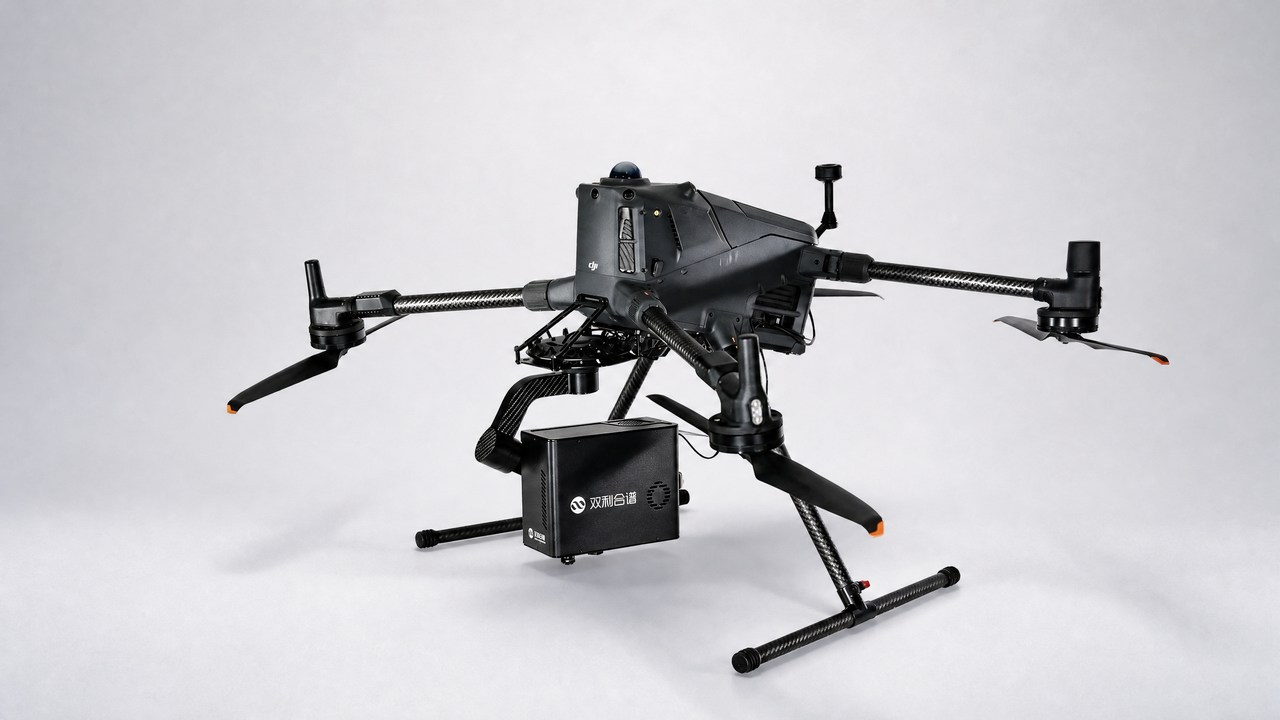
摘要:保护水环境是环境保护的重要组成部分,水质监测与改善工作受到广泛关注。本研究利用高光谱遥感和地面实测 水质数据,提出了一种自适应选择多个人工神经网络的方法,对磷、氮、生化需氧量、化学需氧量和叶绿素 a 等水质参 数进行定量预测。在建立模型时,79 个地面实测数据样本作为训练数据,30 个样本作为测试数据。所提出的基于传统 ANN的数值预测方法包括波段特征选择、基于多重选择标准的自适应选择、逐步回溯和组合加权相关。水质参数估计的 决定系数R2在0.93(磷)至0.98(氮)之间,高于传统ANN得到的值(0.7至0.8)。由于每个水质参数的幅度相差很 大,因此使用范围为 5% 至 11% 的 MPAE((平均绝对误差百分比)值而不是均方根误差来评估所提出模型的预测精度, 从而提供合理且可解释的结果。与其他具有反向传播的 ANN 相比,本研究提出了一种自适应方法,该方法借助上述方 法选择具有所有设置的最佳模型,例如隐藏层数、每个隐藏层的神经元数、优化器的选择和激活函数。对于具有反向传 播的 ANN,不同的设置对于提高不同数据的精度和兼容性非常重要。此外,将所提出的方法应用于使用无人机采集的高 光谱遥感图像,以监测中国广东省中山市石岐河的水质。获得的结果表明了污染源的位置。
关键词:自适应、深度学习、多神经网络、高光谱图像、水质监测
期刊:Remote Sens.
DOI:10.3390/rs12020336
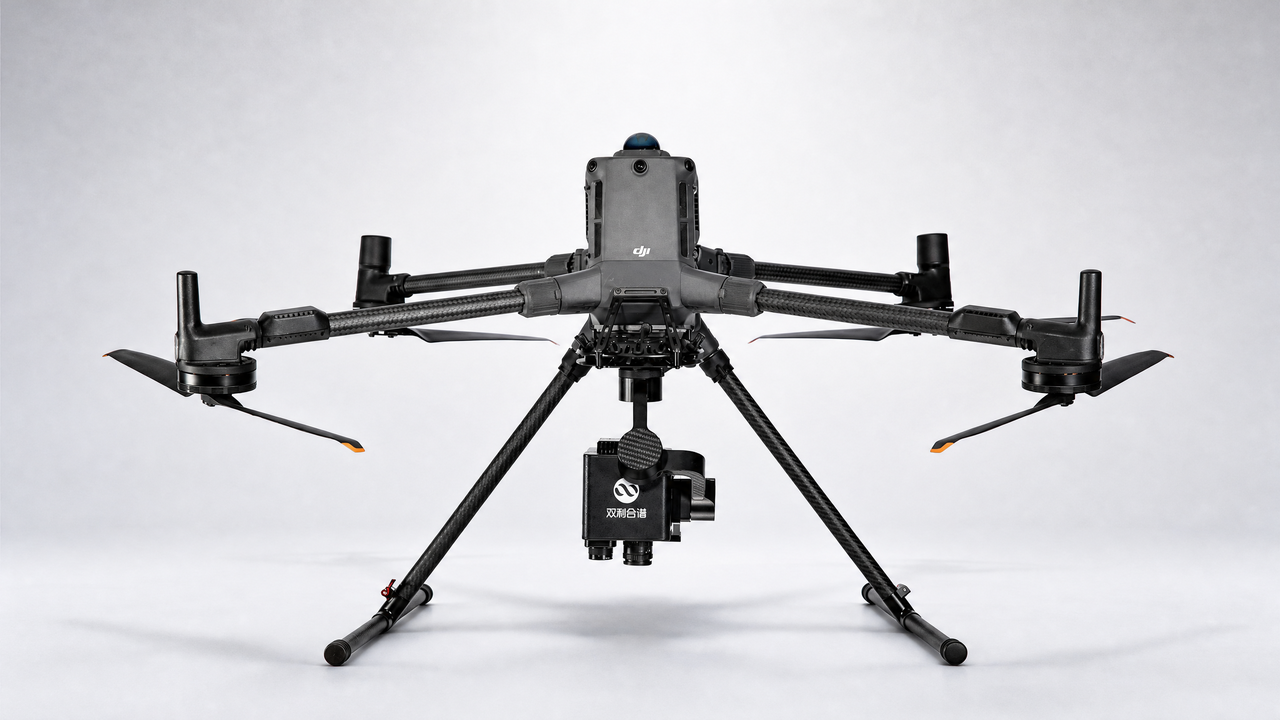
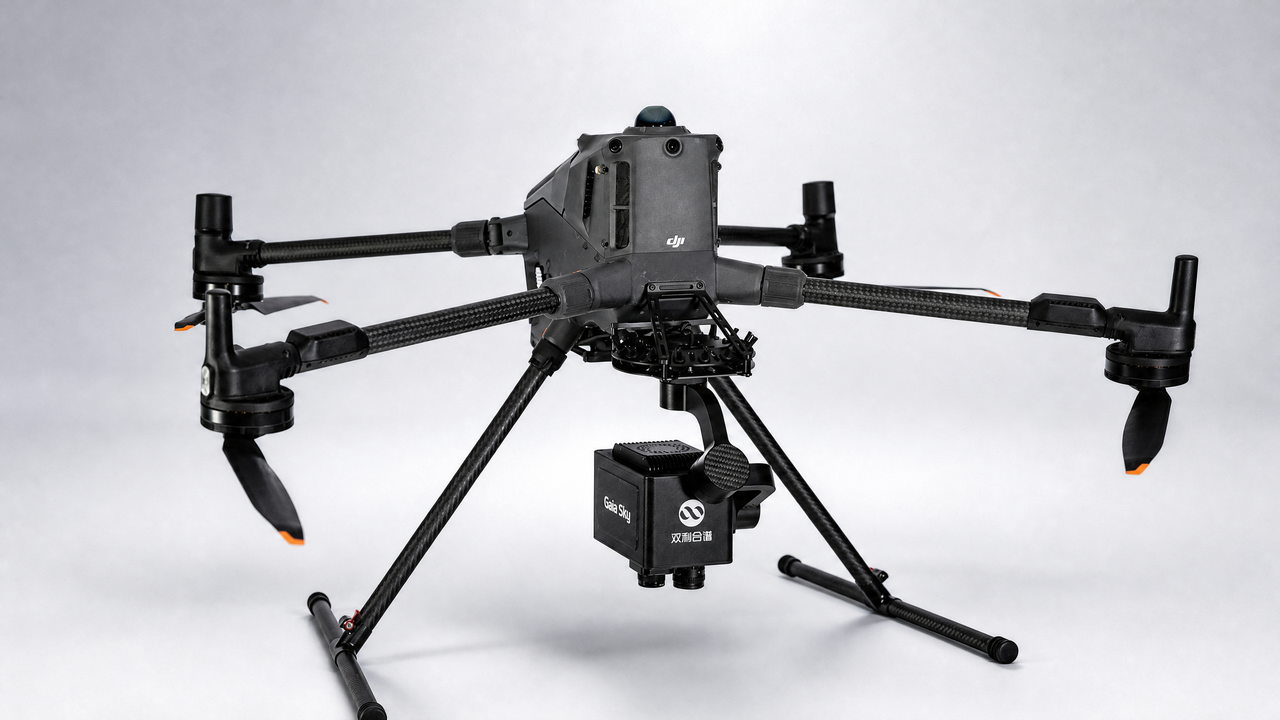
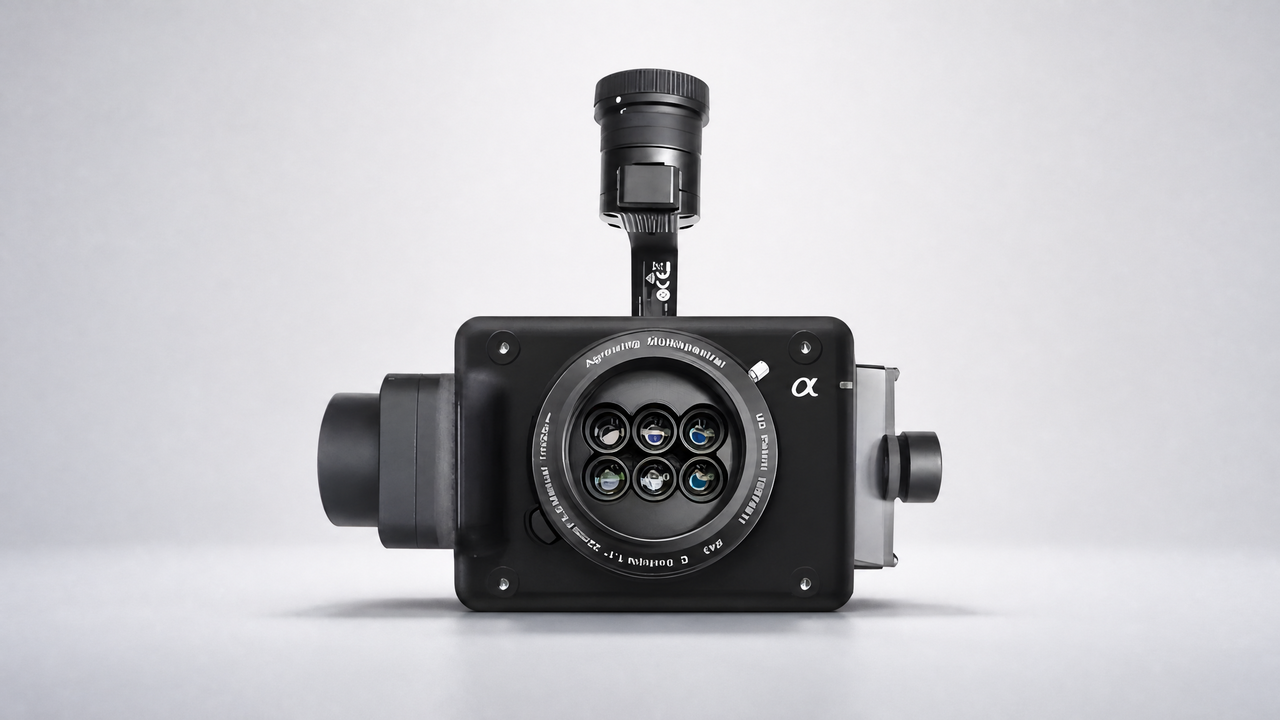
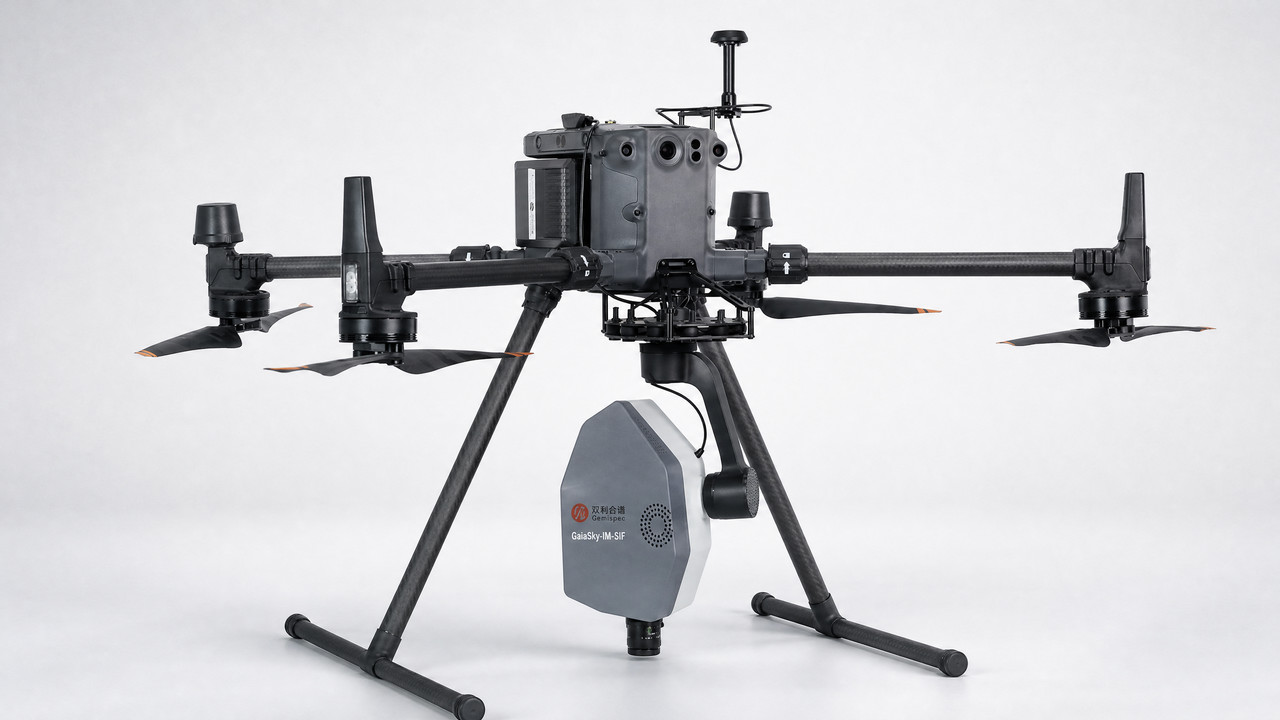
设备:GaiaSky
Mapping Water Quality Parameters in Urban Rivers from Hyperspectral Images Using a New Self-Adapting Selection of Multiple Artificial Neural Networks
Abstract:Protection of water environments is an important part of overall environmental protection; hence, many people devote their efforts to monitoring and improving water quality. In this study, a self-adapting selection method of multiple artificial neural networks (ANNs) using hyperspectral remote sensing and ground-measured water quality data is proposed to quantitatively predict water quality parameters, including phosphorus, nitrogen, biochemical oxygen demand (BOD), chemical oxygen demand (COD), and chlorophyll a. Seventy-nine ground measured data samples are used as training data in the establishment of the proposed model, and 30 samples are used as testing data. The proposed method based on traditional ANNs of numerical prediction involves feature selection of bands, self-adapting selection based on multiple selection criteria, stepwise backtracking, and combined weighted correlation. Water quality parameters are estimated with coefficient of determination R2 ranging from 0.93 (phosphorus) to 0.98 (nitrogen), which is higher than the value (0.7 to 0.8) obtained by traditional ANNs. MPAE (mean percent of absolute error) values ranging from 5% to 11% are used rather than root mean square error to evaluate the predicting precision of the proposed model because the magnitude of each water quality parameter considerably differs, thereby providing reasonable and interpretable results. Compared with other ANNs with backpropagation, this study proposes an auto-adapting method assisted by the above-mentioned methods to select the best model with all settings, such as the number of hidden layers, number of neurons in each hidden layer, choice of optimizer, and activation function. Different settings for ANNS with backpropagation are important to improve precision and compatibility for different data. Furthermore, the proposed method is applied to hyperspectral remote sensing images collected using an unmanned aerial vehicle for monitoring the water quality in the Shiqi River, Zhongshan City, Guangdong Province, China. Obtained results indicate the locations of pollution sources.
Keywords:self-adapting; deep learning; multiple neural network; hyperspectral image; water quality monitoring