






















返回列表
气相色谱-质谱联用与高光谱成像鉴别掺假红花籽油
食品检测
2026/09/21
摘要:红花籽油(( SSO)作为一种重要的食用油,因其独特的营养成分在人类饮食中占据重要地位。然而,由于其高昂的 经济价值,SSO已成为食品掺假的主要目标。为了快速有效地检测SSO中掺假物质的浓度,本研究提出了一种结合高光 谱成像和气相色谱-质谱(( GC-MS)技术的检测方法,并以机器学习为方法论基础。具体而言,研究比较了多种预处理方 法,最终选择中值滤波(( MF)对光谱数据进行处理,显著降低了噪声,提高了模型的鲁棒性和泛化能力。在特征波段的 选择上,研究发现440 nm、530 nm以及880 nm至950 nm附近的波段更有利于建立SSO中掺假物质浓度的预测模型, 同时缩短了建模时间。通过构建以岭回归(( Ridge)和偏最小二乘回归(( PLSR)为基础模型、以LightGBM为元模型的集 成学习模型,实现了对SSO中掺假物质浓度的高精度预测。此外,通过将GC-MS测定的亚油酸、油酸和棕榈酸数据与 高光谱数据联合建模,模型的R²提升至0.976,展现了其卓越的性能。因此,本研究确定MF-RidgeStacking为预测SSO 中掺假物质浓度的最优模型。该研究不仅为掺假识别提供了理论和技术支持,还为SSO中掺假物质浓度的预测提供了一 种新方法,具有潜在的实际应用价值。
关键词:高光谱成像技术;红花籽油;脂肪酸;掺假浓度;机器学习
期刊:Journal of Food Composition and Analysis
DOI:https://doi.org/10.1016/j.jfca.2024.106593
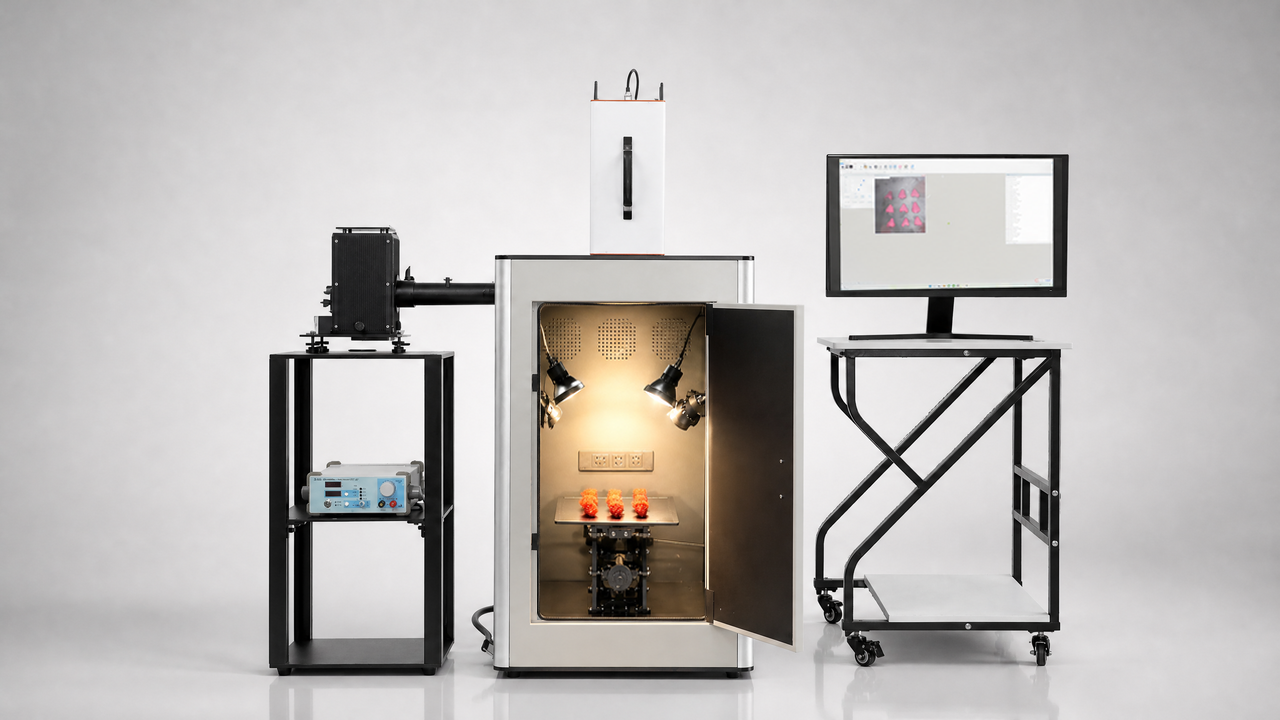
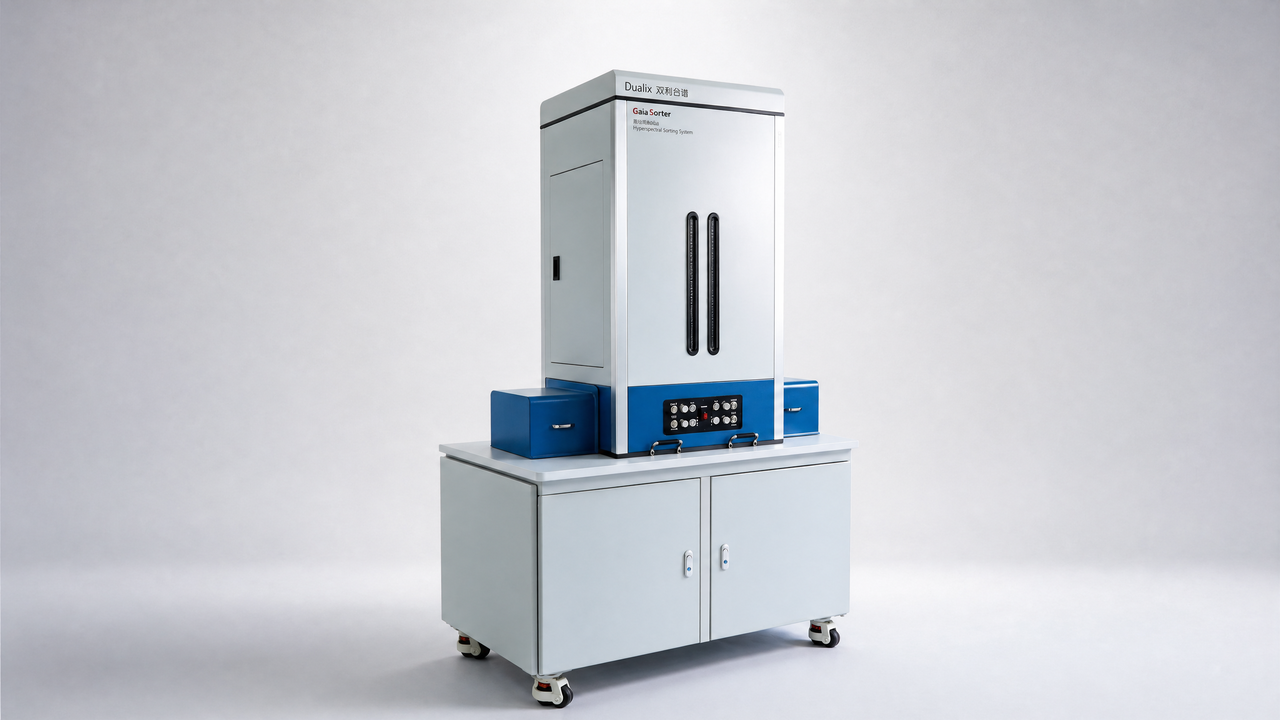
设备:GaiaSorter
Combination of gas chromatography-mass spectrometry and hyperspectral imaging for identiffcation of adulterated Safffower seed oil
Abstract:Safffower seed oil (SSO), a crucial edible oil, occupies a signiffcant position in human diet due to its unique nutritional components. However, because of its high economic value, SSO has become a primary target for food adulteration. To rapidly and effectively detect the concentration of adulterants in SSO, a research approach using hyperspectral imaging and gas chromatography-mass spectrometry (GC-MS) was proposed as technical means, employing machine learning as the methodology. Speciffcally, different preprocessing methods were compared, with median ffltering (MF) selected for spectral data to signiffcantly reduce noise and improve the robustness and generalization ability of the model. Regarding the selection of feature bands, bands around 440 nm, 530 nm, and 880 nm – 950 nm were identiffed as more favorable for establishing a predictive model for the concentration of adulterants in SSO, while also shortening the modeling time. By constructing an ensemble learning model with ridge regression (Ridge) and partial least squares regression (PLSR) as base models and LightGBM as the metamodel, achieving high-precision prediction of the concentration of adulterants in SSO. Furthermore, by jointly modeling the linoleic acid, oleic acid and palmitic acid measured by GC-MS with hyperspectral data, the model’s R2 was improved to 0.976, highlighting its outstanding performance. Therefore, this study identiffes MF-RidgeStacking as the optimal model for predicting the concentration of adulterants in SSO. The research not only provides theoretical and technical support for adulteration identiffcation but also presents a new method for predicting the concentration of adulterants in SSO, with potential practical application value.
Keywords:Hyperspectral imaging technology; Safffower seed oil; Fatty acid; Adulteration concentration; Machine learning