












返回列表
基于波段比和改进 Otsu 方法的高光谱成像芒果表皮缺陷检测
食品检测
2026/09/21
摘要:果皮缺陷是芒果采后分级和加工过程中面临的主要问题之一。果皮缺陷不仅会导致芒果在运输和储存过程中易受 损伤,还会增加同批次其他芒果的感染风险。为解决传统芒果果皮缺陷检测方法效率低下且耗时的问题,本研究提出了 一种结合高光谱成像、波段比值和改进Otsu算法的芒果果皮缺陷检测方法。首先,对可见-近红外(( 450-1000 nm)、可见 光(( 450-780 nm)和近红外(( 780-1000 nm)三个区域进行主成分分析,发现可见-近红外区域的PC2图像和可见光区域的 PC1图像在区分缺陷区域方面效果更佳。其次,基于所选PC图像的权重系数曲线,确定了四个特征波长(642 nm、702 nm、744 nm和942 nm)。此外,从这些特征波长图像中获得了PC图像和波段比值图像,其中Q744/942波段比值图像被 确定为最适合检测芒果果皮缺陷的图像。最后,通过比较全局阈值法和改进 Otsu 算法的分割效果,发现改进 Otsu 算法 具有更好的分割效果。针对果梗区域与缺陷区域灰度特征相似导致的误分割问题,基于线性拉伸变换的Q744/702波段比 值图像可有效区分果梗区域与缺陷区域。最终整体准确率达到96.67%,且无假阳性。研究结果表明,本文提出的检测方 法具有应用于芒果果皮缺陷在线检测的潜力。
关键词:高光谱成像技术;芒果表皮缺陷;波段比值法;改进型Otsu算法;线性拉伸变换
期刊:Microchemical Journal
DOI:https://doi.org/10.1016/j.microc.2023.109718
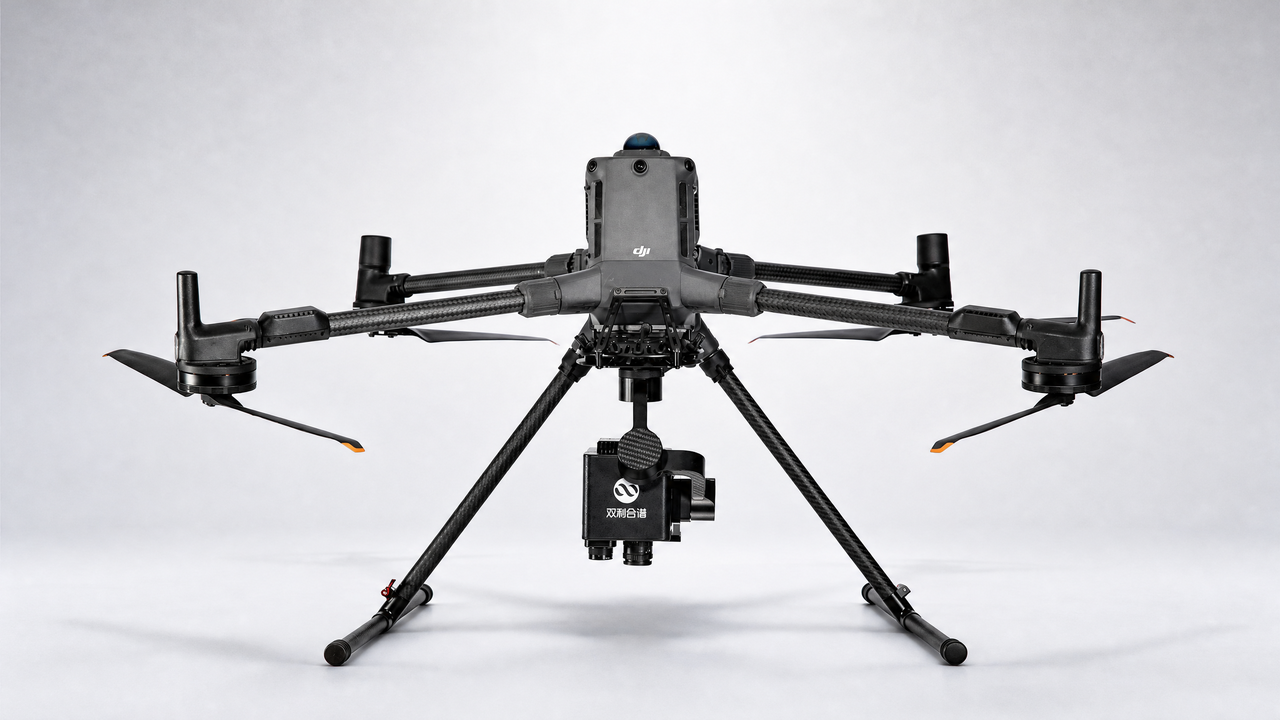
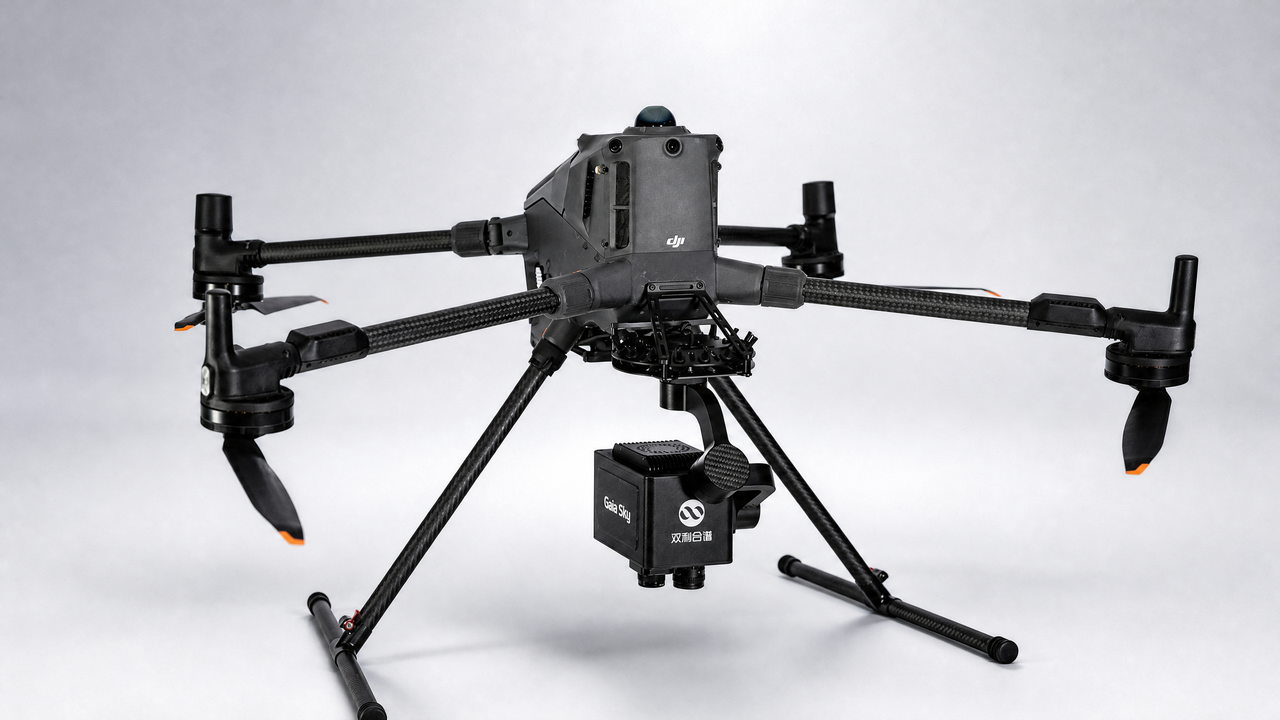
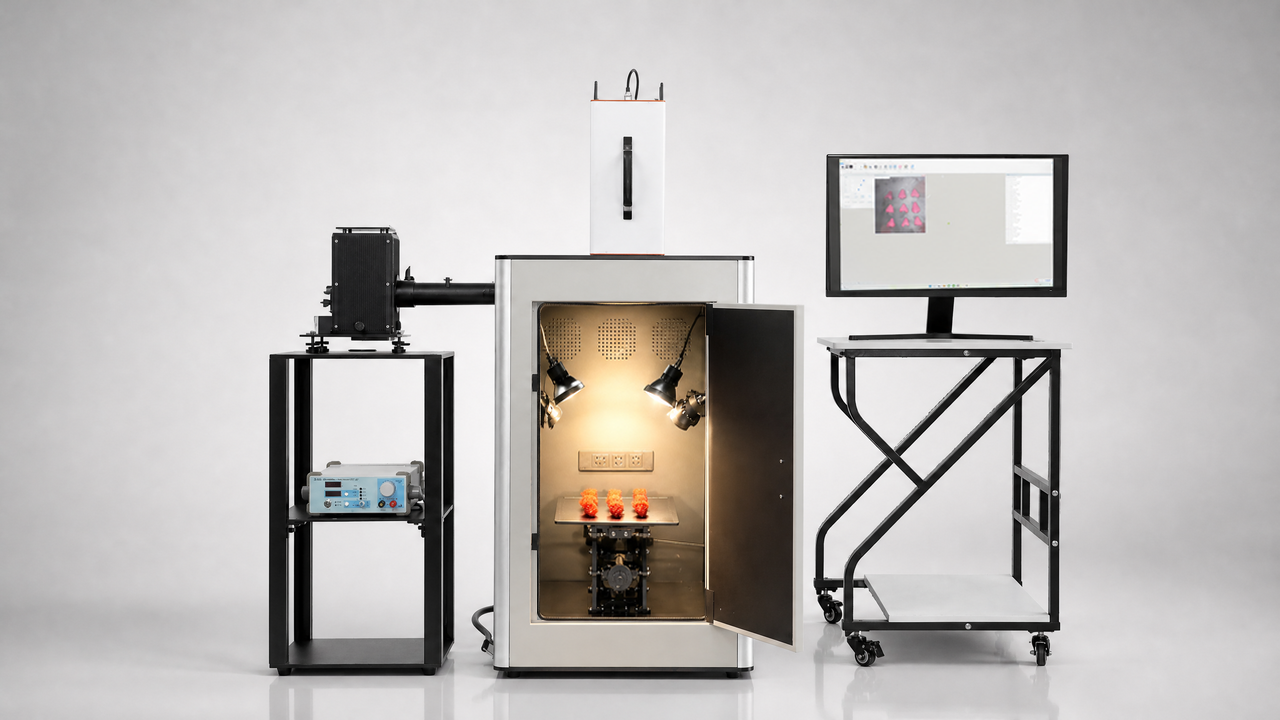
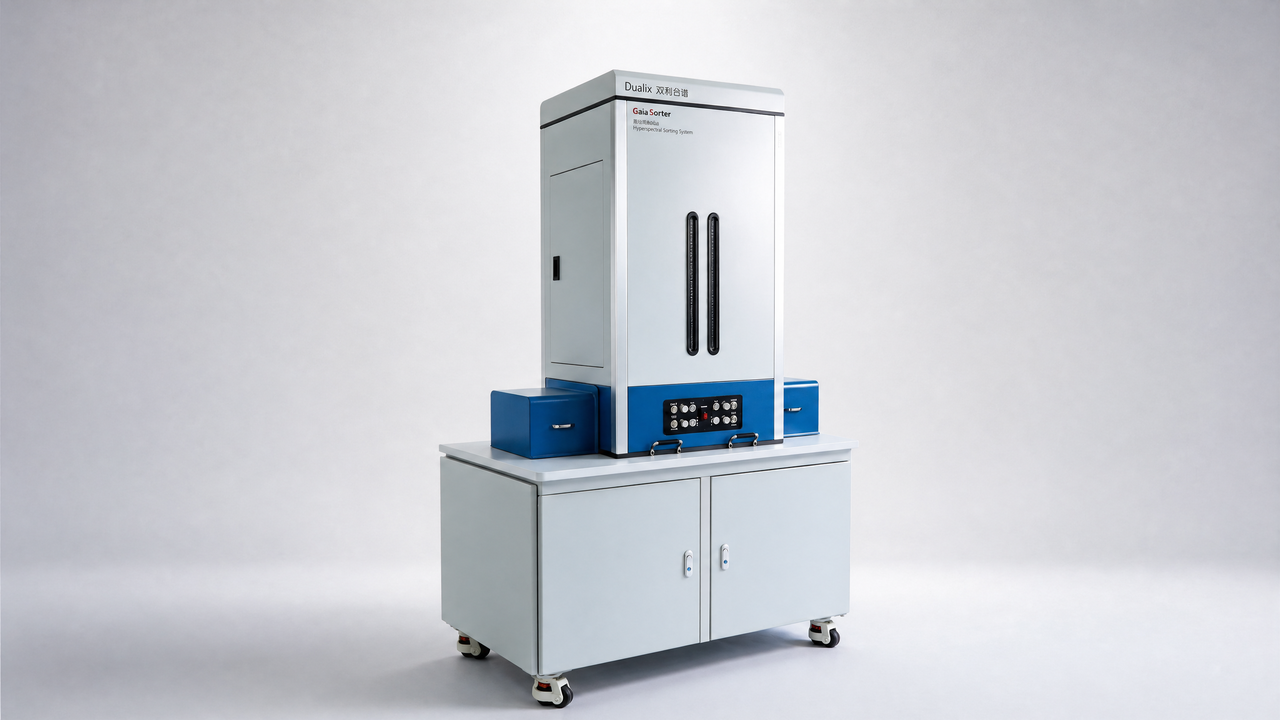
设备:GaiaSorter
Detection of skin defects on mangoes based on hyperspectral imaging combined with band ratio and improved Otsu method
Abstract:Skin defects are one of the major concerns in post-harvest grading and processing of mangoes. Skin defects can cause mangoes to be easily damaged during transportation and storage, and also raise the risk of infection for other mangoes in the batch. To solve the problems of inefffciency and time-consuming of traditional detection methods of skin defects on mangoes, the hyperspectral imaging combined with band ratio and improved Otsu method for detecting on mangoes was proposed in this study. Firstly, Principal Component Analysis was used to the three regions of Vis-NIR (450–1000 nm), Vis (450–780 nm), and NIR (780– 1000 nm). It was found that the PC2 image of the Vis-NIR region and the PC1 image of the Vis region were more effective in distinguishing defect areas. Next, based on the weight coefffcient curves derived from the selected PC images, four feature wavelengths (642 nm, 702 nm, 744 nm and 942 nm) were determined. Additionally, the PC images and band ratio images were obtained from these feature wavelength images. The band ratio Q744/942 image was determined to be the most suitable for detecting skin defects on mangoes. Finally, the segmentation results of global thresholding and the improved Otsu method were compared, and it was found that the improved Otsu method had better segmentation results. Mis-segmentation due to the stem-end region and the defective region had the same gray scale features. The band ratio Q744/702 image based on the linear stretch transformation could be used to effectively distinguish the stem-end region and the defect region. The ffnal overall accuracy was 96.67 % with no false positives. The results indicate that the proposed detection method in this study has the potential for online detection of skin defects on mangoes.
Keywords:Hyperspectral imaging technology; Mango skin defects; Band ratio; Improved Otsu method; Linear stretch transformation