







返回列表
利用高光谱成像和化学计量学算法测定李子可溶性固形物含量和硬度
食品检测
2026/09/21
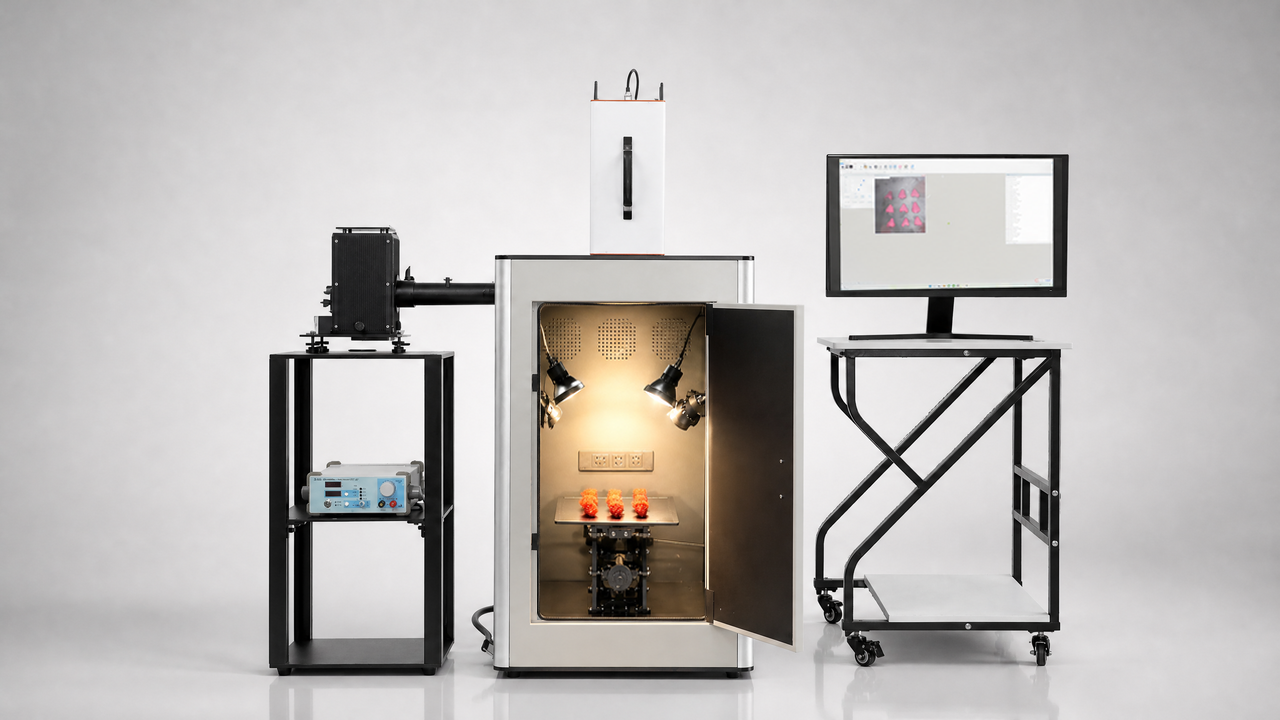
摘要:研究了高光谱成像技术结合化学计量学算法测定李子可溶性固形物含量(( SSC)和硬度的方法,建立并优化了李子 SSC 和硬度的测定模型。利用高光谱成像采集系统采集红、青李两个品种的高光谱图像,采用偏最小二乘回归(PLSR) 和主成分回归(( PCR)两种方法建立基于全光谱的模型。利用多元线性回归(( MLR)和误差反向传播(( BP)网络,通过 连续投影算法(( SPA)和竞争自适应重加权抽样(( CARS)方法选取特征光谱,建立简化模型。通过比较不同建模方法的 结果,CARS-MLR模型是预测SSC和硬度的最优模型,R2P大于0.9和0.6,RPD大于3.7和1.8。其中,SSC(R2 P = 0.93,RMSEP = 0.57%,RPD = 3.73)和硬度(R2 P = 0.69,RMSEP=0.63 kg/cm2,RPD = 1.81)显著高于SSC(R2 P = 0.93,RMSEP=0.63 kg/cm2,RPD = 1.81)。结果表明,高光谱成像技术结合化学计量学算法测定SSC和硬度是可行的, CARS-MLR模型为最优模型。实际应用:可溶性固形物含量(SSC)和硬度是决定果实成熟度和采后等级的两个重要品 质属性。传统的测定SSC和硬度的方法具有破坏性、耗时长、受主观因素影响大等特点。高光谱成像技术具有无损、快 速、无污染等优点。结果表明,高光谱成像技术结合化学计量学算法测定SSC和硬度是可行的,可为开发水果品质实时 检测系统提供理论依据
期刊:Food and Pharmaceutical Engineering
DOI:10.1111/jfpe.13597
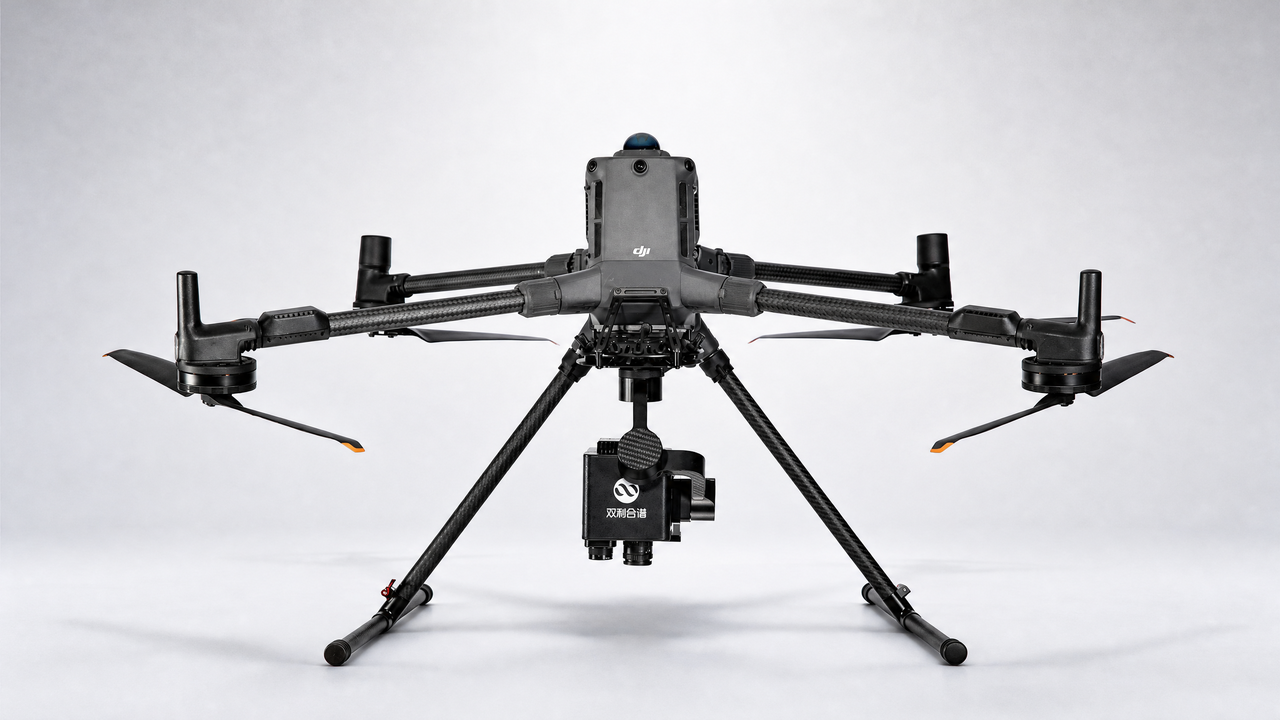
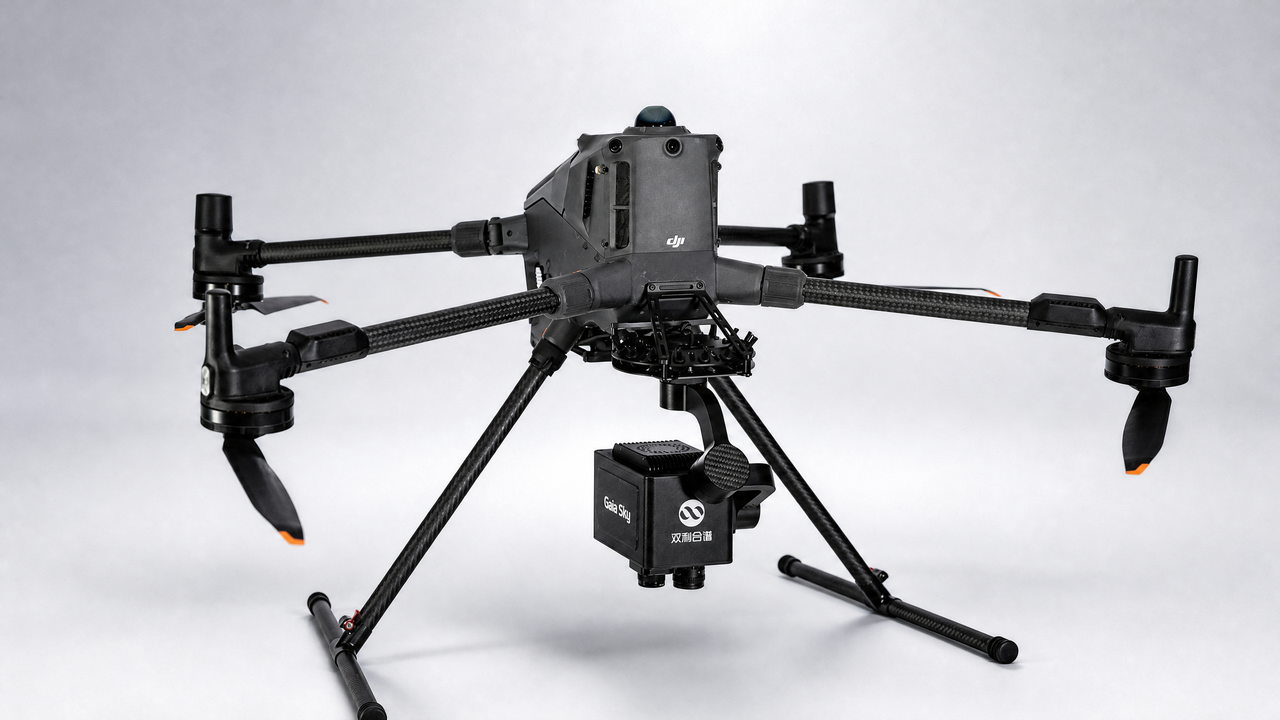
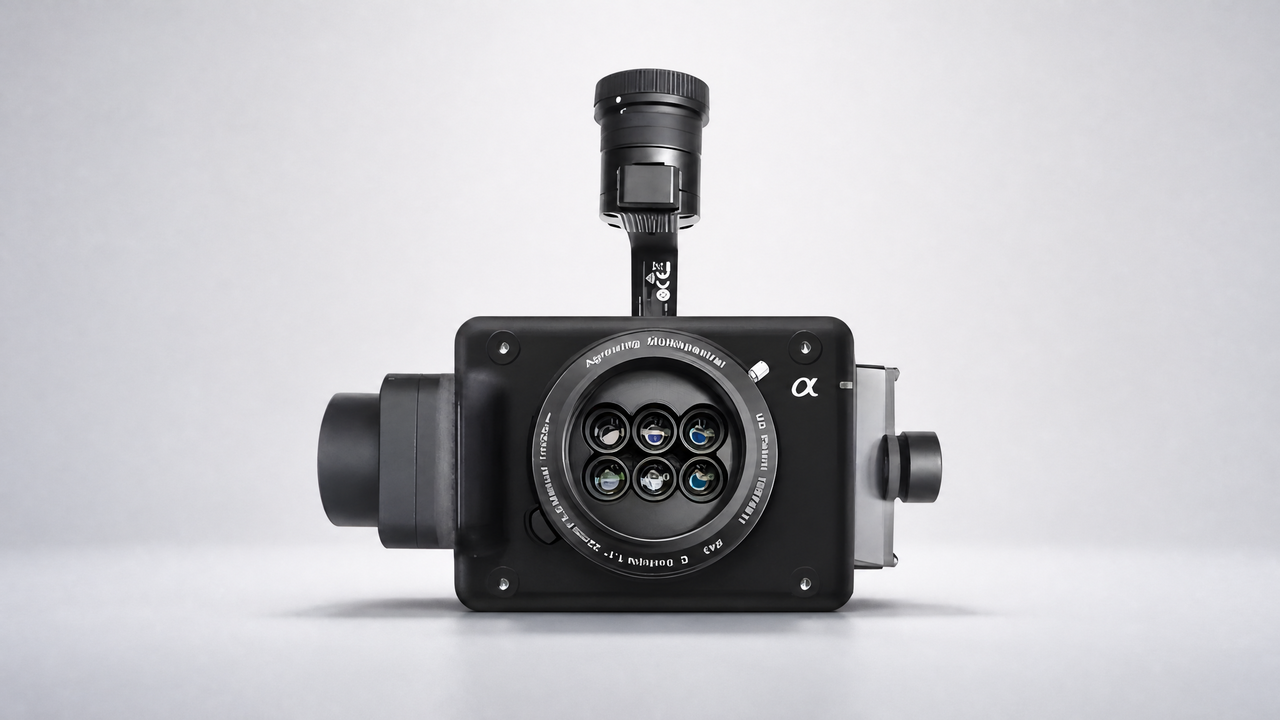
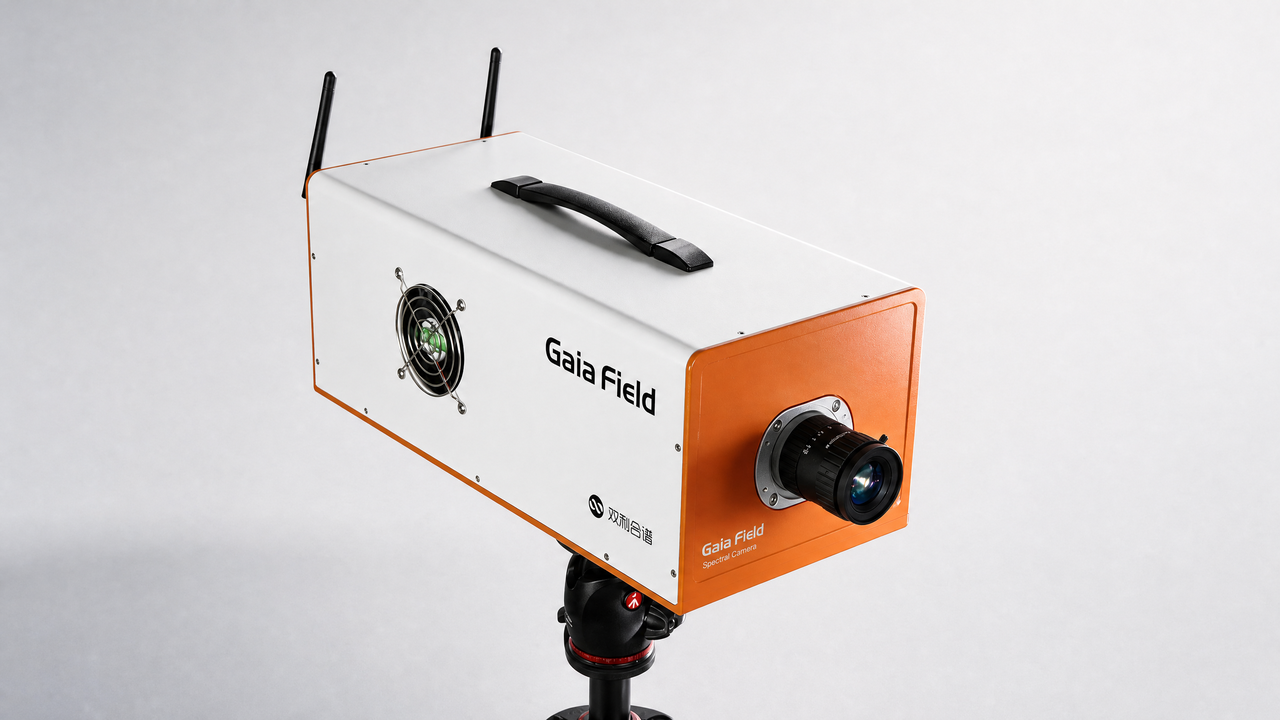
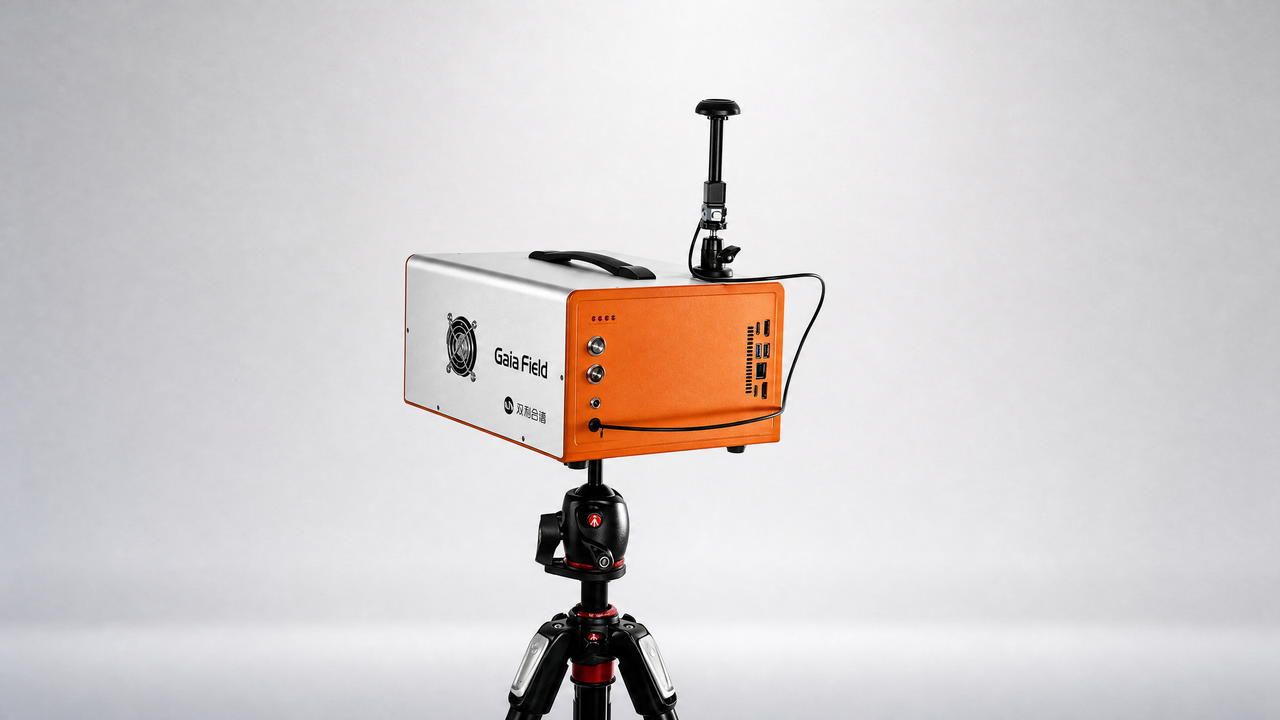
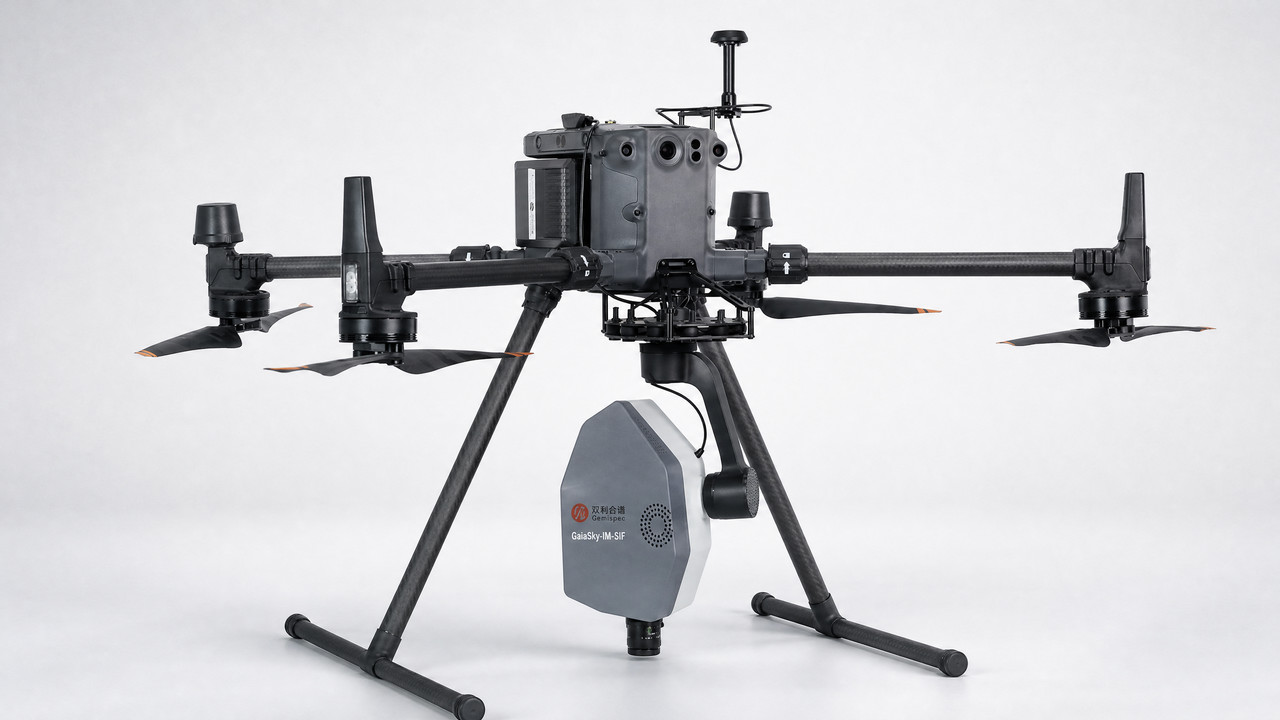
设备:GaiaField
Determination of soluble solids content and firmness in plum using hyperspectral imaging and chemometric algorithms
Abstract:Hyperspectral imaging technology coupled with chemometric algorithms was investi gated to determine soluble solids content (SSC) and firmness in plum. A model of determining SSC and firmness in plum was established and optimized. Hyperspectral images of two varieties of “Red” and “Green” plums were acquired by hyperspectral imaging acquisition system. Two methods of partial least square regression (PLSR) and principal components regression (PCR) were employed to establish models based on full spectra. The multiple linear regression (MLR) and error back propagation (BP) network were applied to establish simplified models based on characteristic spectra selected by the methods of successive projection algorithm (SPA) and com petitive adaptive reweighted sampling (CARS). By comparing the results of different modeling methods, CARS-MLR model was the optimal models for predicting SSC and firmness with R2 P greater than 0.9 and 0.6, RPD above 3.7 and 1.8. Especially, for SSC (R2 P = 0.93, RMSEP = 0.57%, RPD = 3.73), for firmness (R2 P = 0.69, RMSEP=0.63 kg/cm2, RPD = 1.81). Results showed that hyperspectral imaging tech nology coupled with chemometric algorithms is feasible to determine SSC and firm ness, CARS- MLR model was the optimal models. Practical applications: Soluble solids content (SSC) and firmness are two significant quality attributes that determine fruit maturity and grade after harvest. Traditional methods for determining SSC and firmness are destructive, time-consuming, and extremely affected by subjective factors. Hyperspectral imaging technology has the advantages of nondestructive, rapid, non-pollution, and so on. The results demon strated that hyperspectral imaging technology coupled with chemometric algorithms is feasible to determine SSC and firmness, and it can provide a theoretical basis to develop a real-time detection system to determine the quality of fruits