








返回列表
高光谱技术结合深度学习算法预测生菜表型性状
食品检测
2026/09/21
摘要:目前用于评估植物表型大多数生化性状的方法都是破坏性的,且通量极低。然而,高光谱技术可以无损地获取植 物的光谱反射特性,从而提供丰富的生物物理和生化信息。因此,植物光谱结合机器学习算法可用于预测植物表型性状。 然而,原始的光谱反射特性包含噪声和冗余信息,因此很容易影响通过多元分析方法开发的模型的鲁棒性。在本研究中, 基于二维卷积神经网络(( 2DCNN)和全连接神经网络(( FCNN;分别为Deep2D和DeepFC)开发了两个端到端深度学习 模型,以快速、无损地从光谱反射率预测生菜的表型性状。使用三种线性和两种非线性多元分析方法来开发模型,以衡 量深度学习模型的性能。基于多元分析方法的模型需要一系列的手动特征提取,如预处理和波长选择,而提出的模型可 以自动提取与表型性状相关的特征。使用可见近红外高光谱相机对田间生长的生菜植株进行拍摄,并从图像中提取的光 谱用于训练网络。提出的模型取得了良好的性能,使用 Deep2D 和 DeepFC 对可溶性固形物含量的预测决定系数(Rp) 分别为0.9030和0.8490,用于pH值。将深度学习模型的性能与五种多元分析方法进行了比较。定量分析表明,深度学 习模型的Rp高于所有多元分析方法,表明性能更好。此外,波长选择和不同的预处理方法对不同的多元分析方法有不同 的影响,选择合适的多元分析方法和预处理方法会增加更多的时间和计算成本。与多元分析方法不同,所提出的深度学 习模型不需要任何预处理或降维,因此更适合应用于高通量植物表型分析平台。这些结果表明,深度学习模型可以更好 地利用光谱反射率预测植物的表型特征。
关键词:植物表型分析、高光谱成像、深度学习、生菜、SSC、pH
期刊:Frontiers in Plant Science
DOI:https://DOI.org/10.3389/fpls.2022.927832
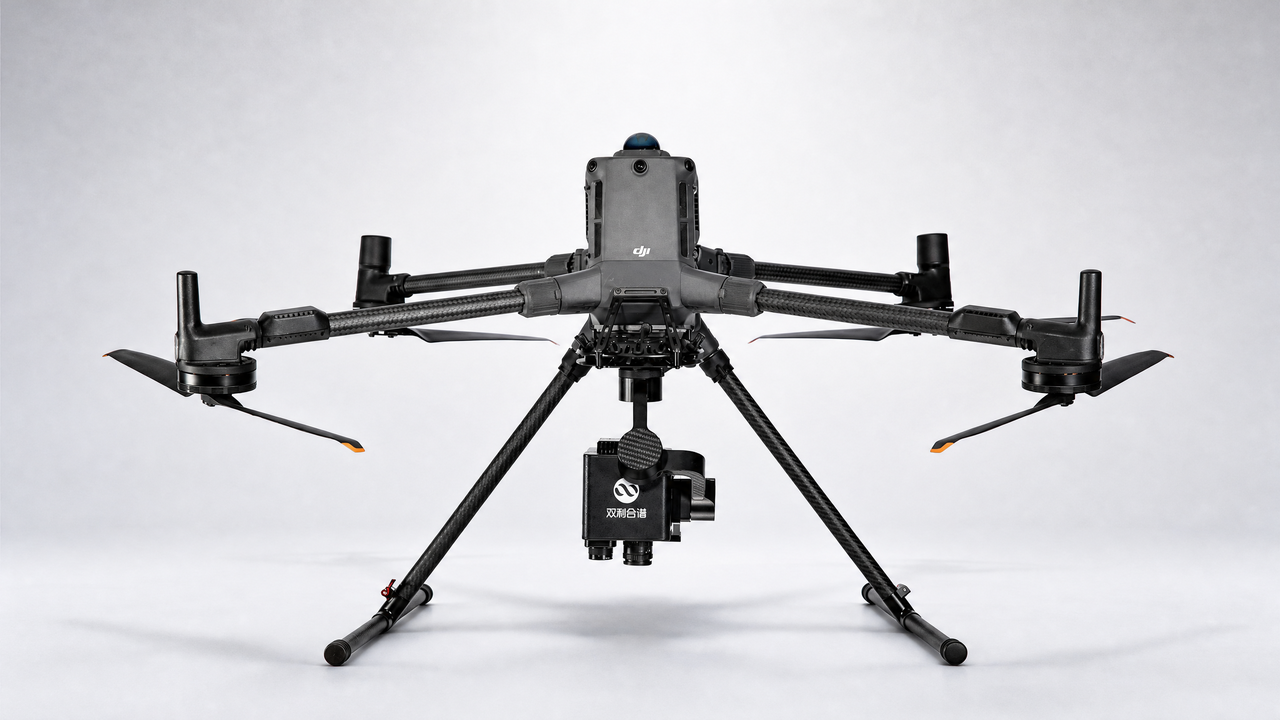
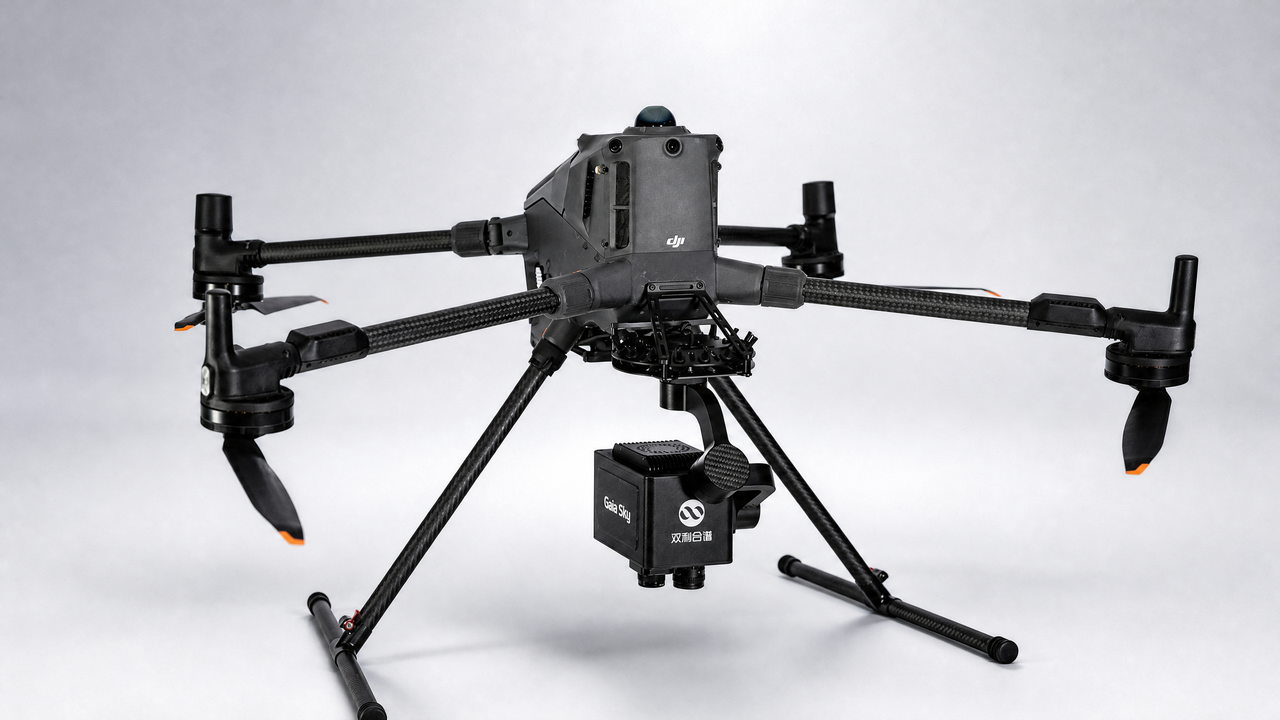
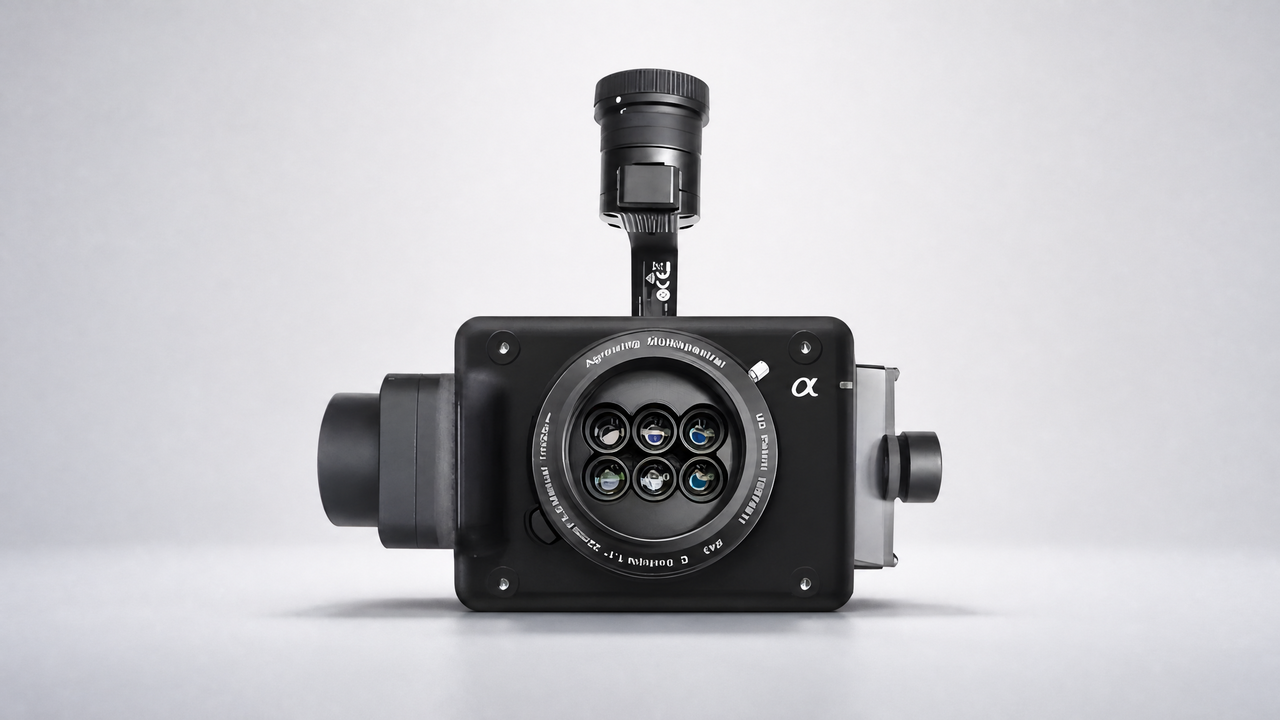
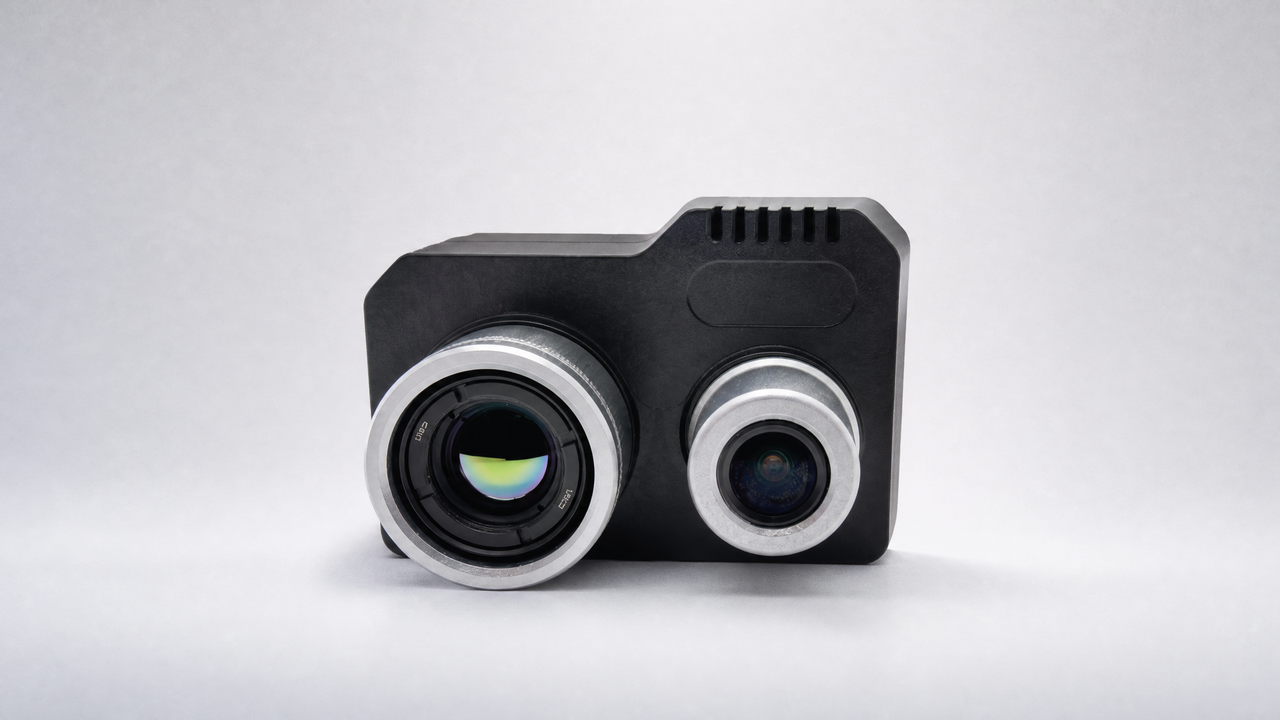
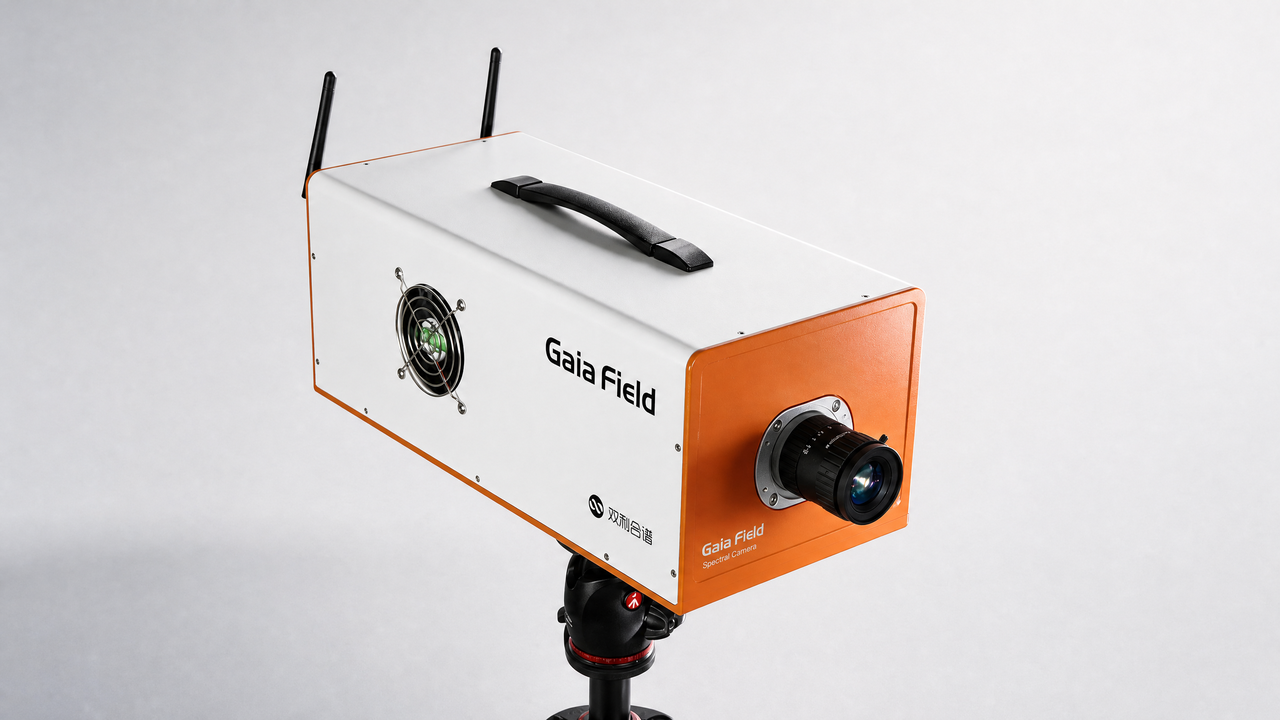
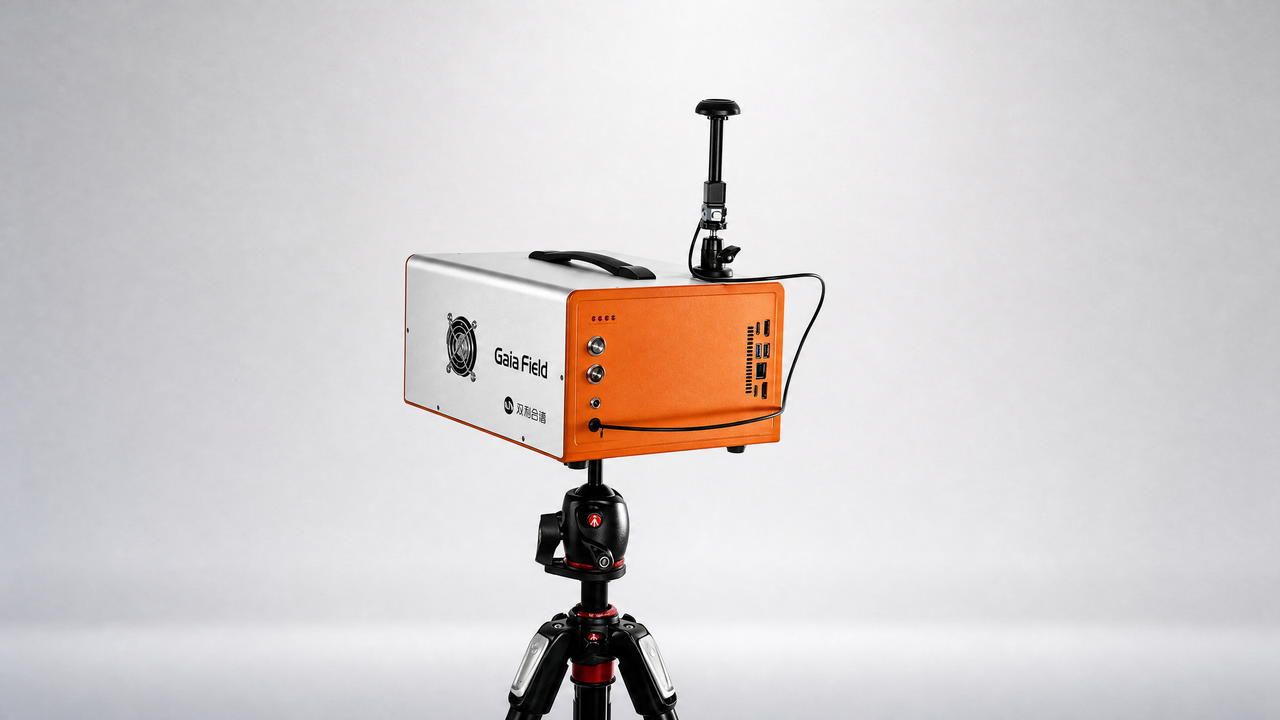
设备:GaiaField
Hyperspectral Technique Combined With Deep Learning Algorithm for Prediction of Phenotyping Traits in Lettuce
Abstract:The currently available methods for evaluating most biochemical traits of plant phenotyping are destructive and have extremely low throughput. However, hyperspectral techniques can non-destructively obtain the spectral reflectance characteristics of plants, which can provide abundant biophysical and biochemical information. Therefore, plant spectra combined with machine learning algorithms can be used to predict plant phenotyping traits. However, the raw spectral reflectance characteristics contain noise and redundant information, thus can easily affect the robustness of the models developed via multivariate analysis methods. In this study, two end-to-end deep learning models were developed based on 2D convolutional neural networks (2DCNN) and fully connected neural networks (FCNN; Deep2D and DeepFC, respectively) to rapidly and non-destructively predict the phenotyping traits of lettuces from spectral reflectance. Three linear and two nonlinear multivariate analysis methods were used to develop models to weigh the performance of the deep learning models. The models based on multivariate analysis methods require a series of manual feature extractions, such as pretreatment and wavelength selection, while the proposed models can automatically extract the features in relation to phenotyping traits. A visible near-infrared hyperspectral camera was used to image lettuce plants growing in the field, and the spectra extracted from the images were used to train the network. The proposed models achieved good performance with a determination coefficient of prediction ( Rp ) of 0.9030 and 0.8490 using Deep2D for soluble solids content and DeepFC for pH, respectively. The performance of the deep learning models was compared with five multivariate analysis method. The quantitative analysis showed that the deep learning models had higher Rp than all the multivariate analysis methods, indicating better performance. Also, wavelength selection and different pretreatment methods had different effects on different multivariate analysis methods, and the selection of appropriate multivariate analysis methods and pretreatment methods increased more time and computational cost. Unlike multivariate analysis methods, the proposed deep learning models did not require any pretreatment or dimensionality reduction and thus are more suitable for application in high-throughput plant phenotyping platforms. These results indicate that the deep learning models can better predict phenotyping traits of plants using spectral reflectance.
Keywords:plant phenotyping, hyperspectral imaging, deep learning, lettuce, SSC, pH