











返回列表
食品领域白色可降解与不可降解塑料的识别:一种结合高光谱技术的动态残差网络
目标检测
2026/09/21
摘要:在食品领域,随着人们健康与环保意识的提高,可降解塑料替代不可降解塑料已成为趋势,但二者外观十分相似, 难以区分。本文提出了一种白色不可降解与可降解塑料的快速识别方法。首先,利用高光谱成像系统采集塑料在可见光 和近红外波段(380–1038 nm)的高光谱图像。其次,根据高光谱信息的特点设计残差网络(ResNet)。最后,在ResNet 中引入动态卷积模块,建立动态残差网络(Dy-ResNet),自适应地挖掘数据特征,实现可降解与不可降解塑料的分类。 Dy-ResNet比其他经典深度学习方法具有更好的分类性能。可降解与不可降解塑料的分类准确率为99.06%。综上所述, 高光谱成像技术与Dy-ResNet相结合可以有效识别白色不可降解与可降解塑料。
关键词:食品塑料分类 降解性 高光谱成像技术 残差网络 动态卷积
期刊:Spectrochimica Acta Part A: Molecular and Biomolecular Spectroscopy
DOI:https://DOI.org/10.1016/j.saa.2023.122686
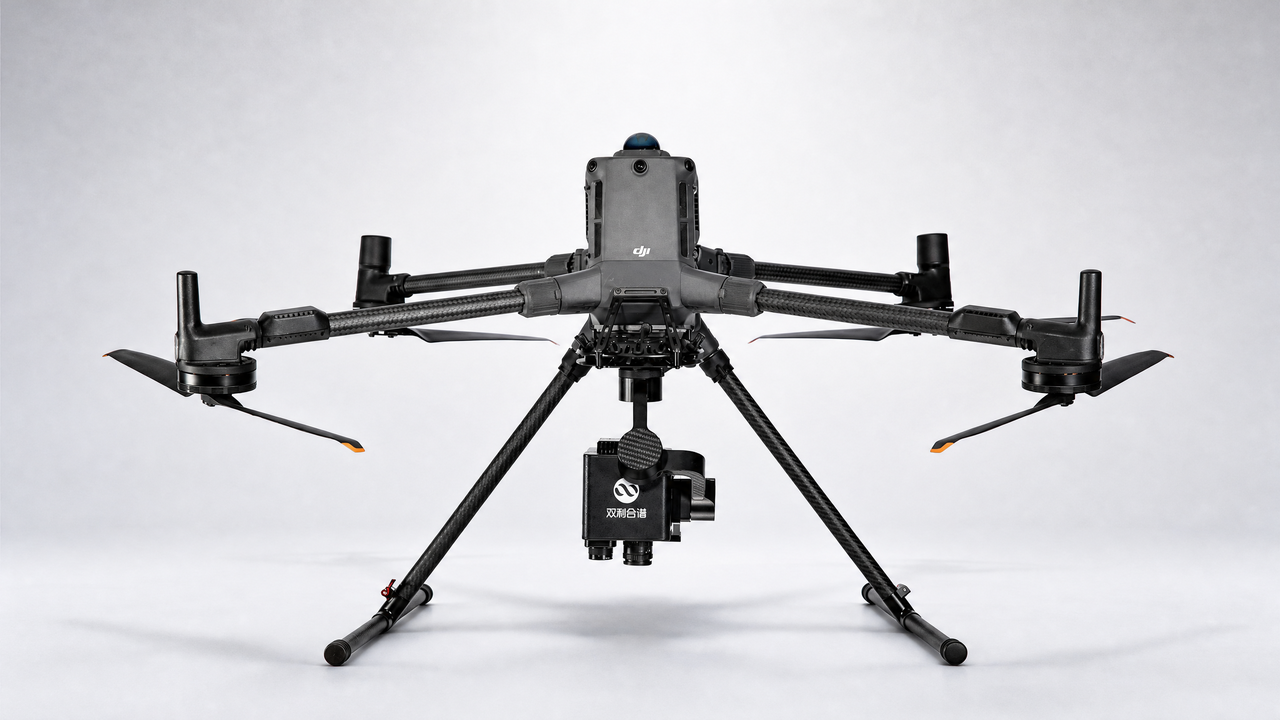
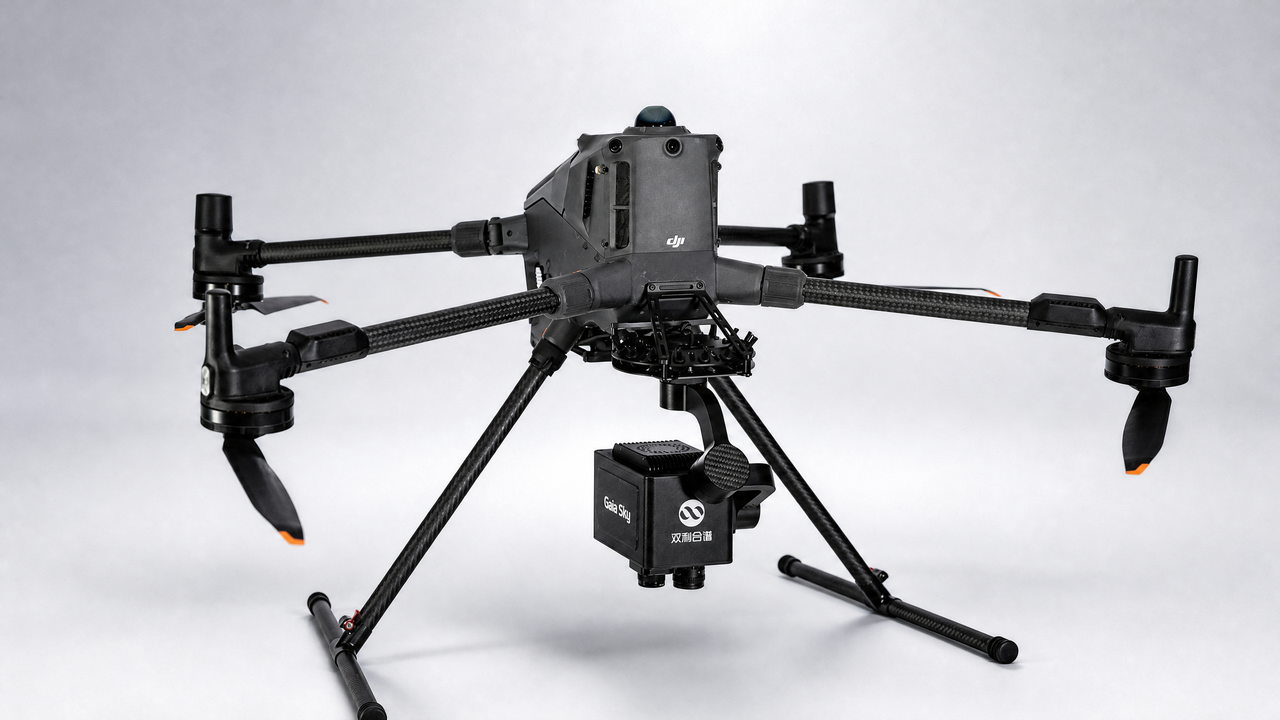
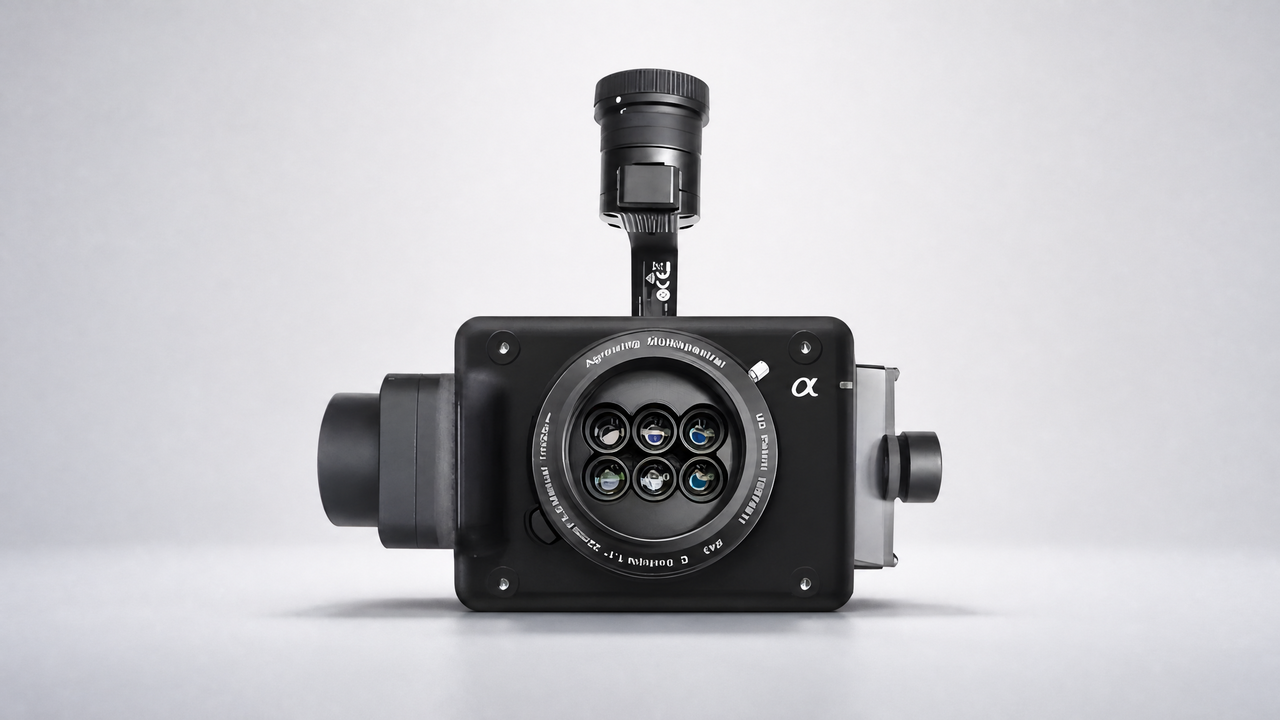
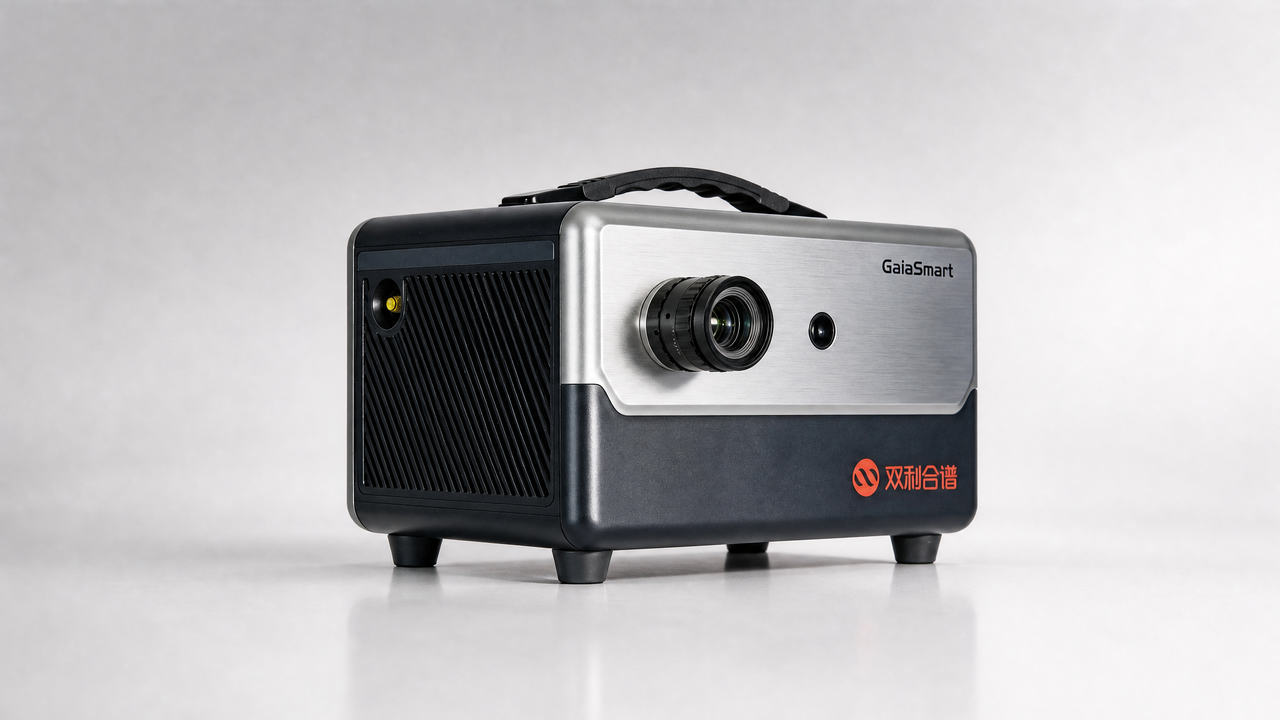
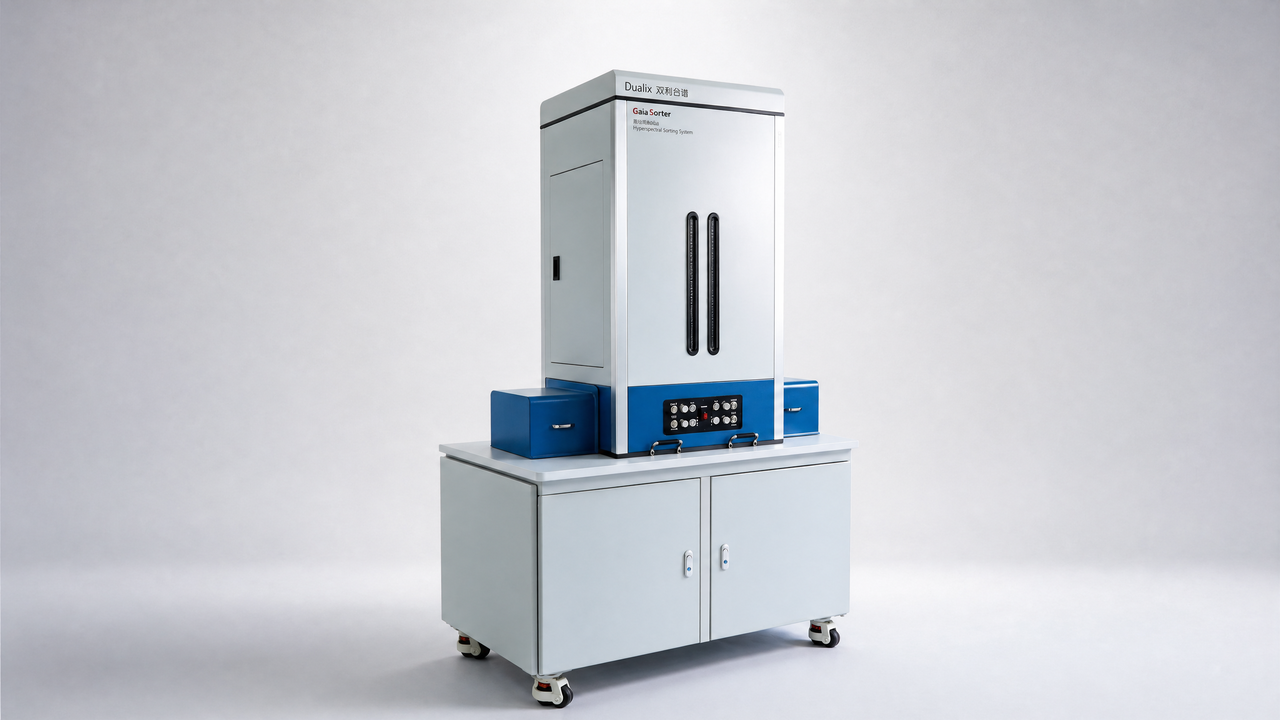
设备:GaiaSorter
Identification of white degradable and non-degradable plastics in food f ield: A dynamic residual network coupled with hyperspectral technology
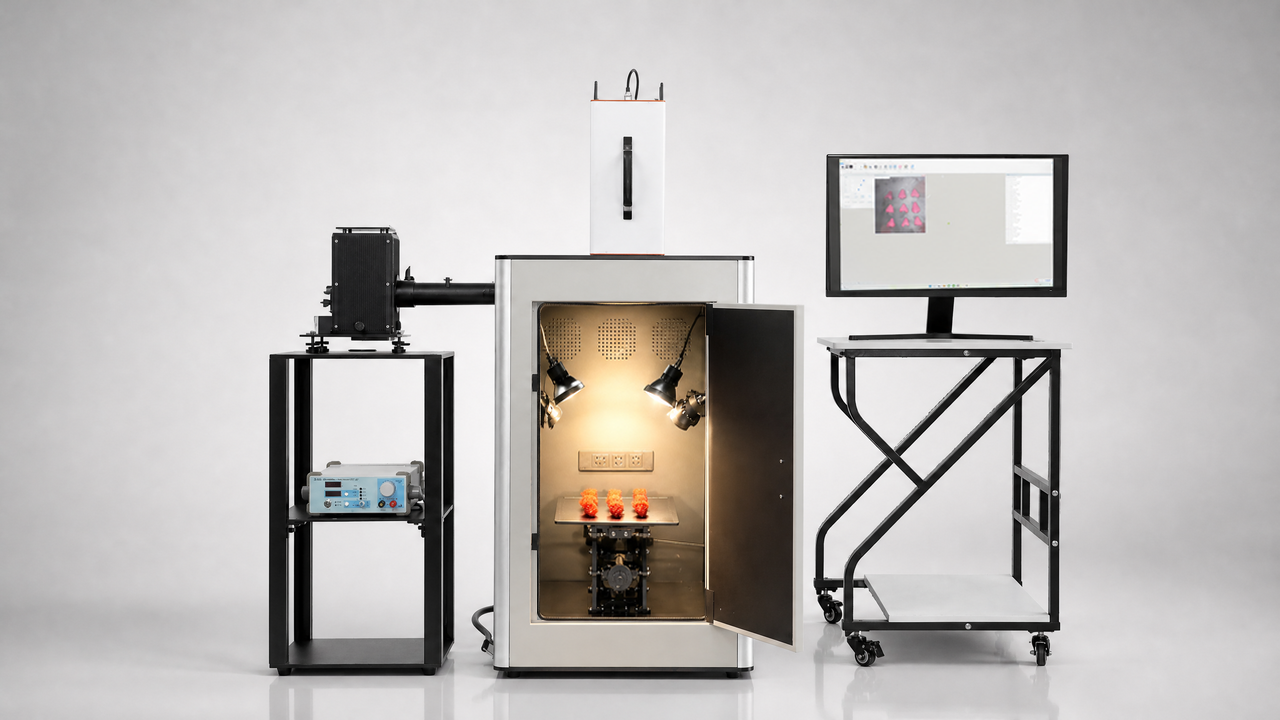
Abstract:In the food field, with the improvement of people’s health and environmental protection awareness, degradable plastics have become a trend to replace non-degradable plastics. However, their appearance is very similar, making it difficult to distinguish them. This work proposed a rapid identification method for white non- degradable and degradable plastics. Firstly, a hyperspectral imaging system was used to collect the hyper spectral images of the plastics in visible and near-infrared bands (380–1038 nm). Secondly, a residual network (ResNet) was designed according to the characteristics of hyperspectral information. Finally, a dynamic convolution module was introduced into the ResNet to establish a dynamic residual network (Dy-ResNet) to adaptively mine the data features and realize the classification of the degradable and non-degradable plastics. Dy-ResNet had better classification performance than the other classical deep learning methods. The classifi cation accuracy of the degradable and non- degradable plastics was 99.06%. In conclusion, hyperspectral imaging technology was combined with Dy-ResNet to identify the white non-degradable and degradable plastics effectively.
Keywords:Food plastic classification Degradability Hyperspectral imaging technology Residual network Dynamic convolutional