








返回列表
监测茶树冻害的低温响应指数
遥感应用
2026/09/21
摘要:冻害是茶园常见的自然灾害,定量检测低温胁迫对评估茶树冻害程度具有重要意义。传统检测低温胁迫主要通过 测定茶叶理化参数、研究冻害表型,但这些方法费时费力。本研究对茶树进行不同的低温处理,通过测定茶叶 7 种低温 诱导成分建立低温响应指数(( LTRI)。通过高光谱成像获取茶叶高光谱数据,采用连续投影算法(( SPA)、竞争自适应重加 权抽样(( CARS)和无信息变量剔除法(( UVE)筛选特征波段。采用偏最小二乘(( PLS)、支持向量机(( SVM)、随机森林 ((RF)、反向传播(BP)机器学习方法以及卷积神经网络(CNN)、长短期记忆(LSTM)深度学习方法对茶树LTRI和7 个指标进行建模。结果表明:(1)7个指标的预测模型最优为LTRI-UVE-CNN(( R2=0.890,RMSEP=0.325,RPD=2.904); ((2)UVE算法筛选出的特征波段更加丰富,后期建模效果优于CARS和SPA算法;(3)对比6种建模算法的效果,CNN 模型整体建模效果优于其他模型。可以推论,在本文的所有组合模型中,LTRI-UVE-CNN是一个可用于预测茶树低温胁 迫程度的良好模型。
关键词:茶树、冷害评估、高光谱成像、深度学习、LTRI
期刊:Front. Plant Sci//Sec. Technical Advances in Plant Science
DOI://DOI.org/10.3389/fpls.2023.1096490
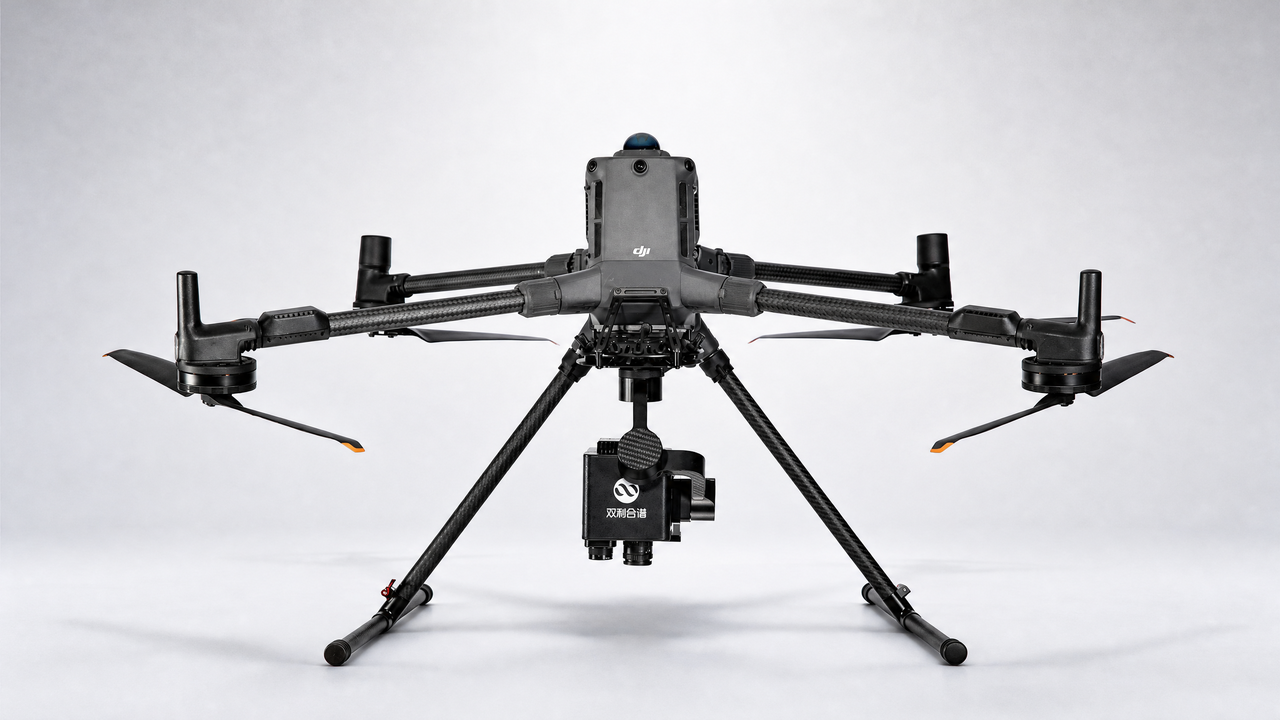
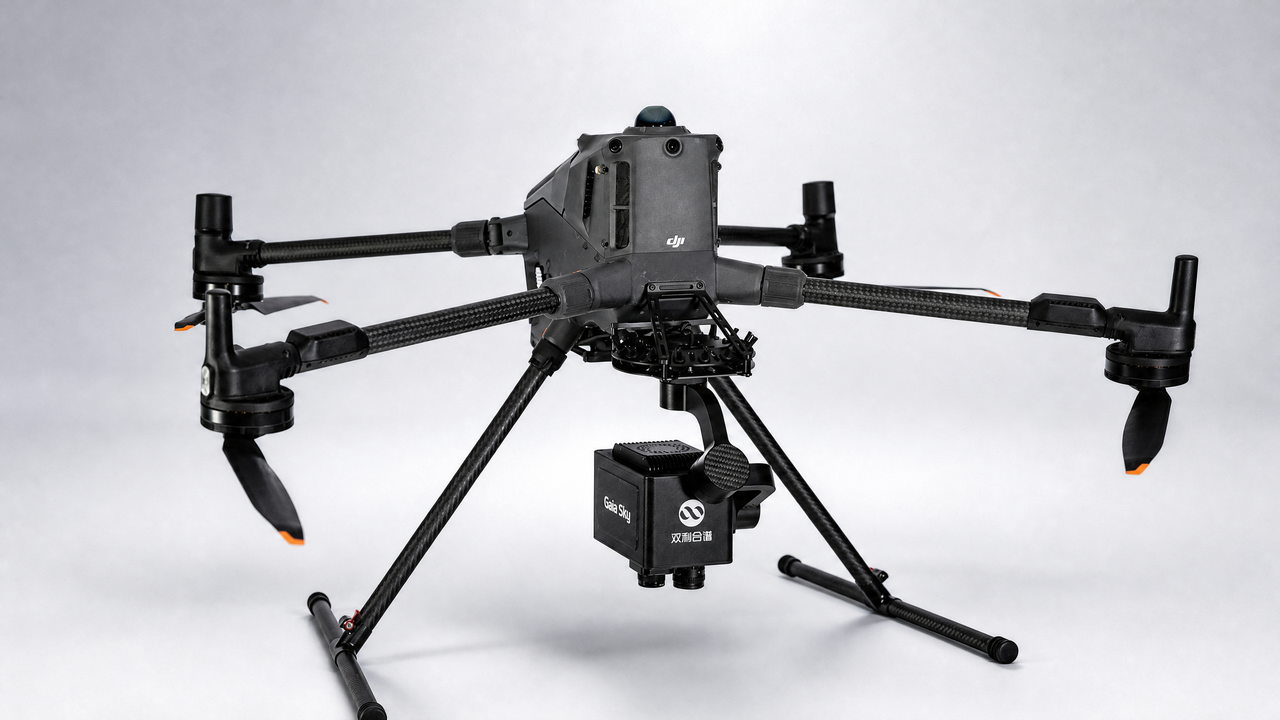
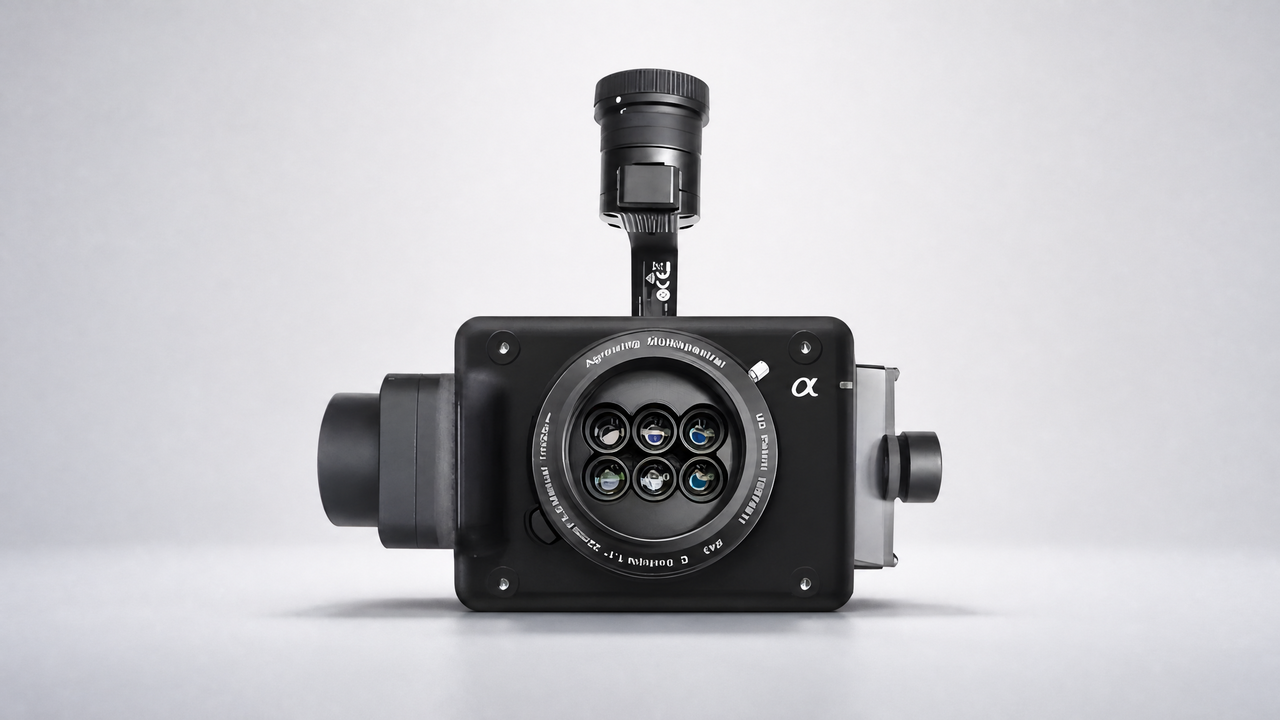
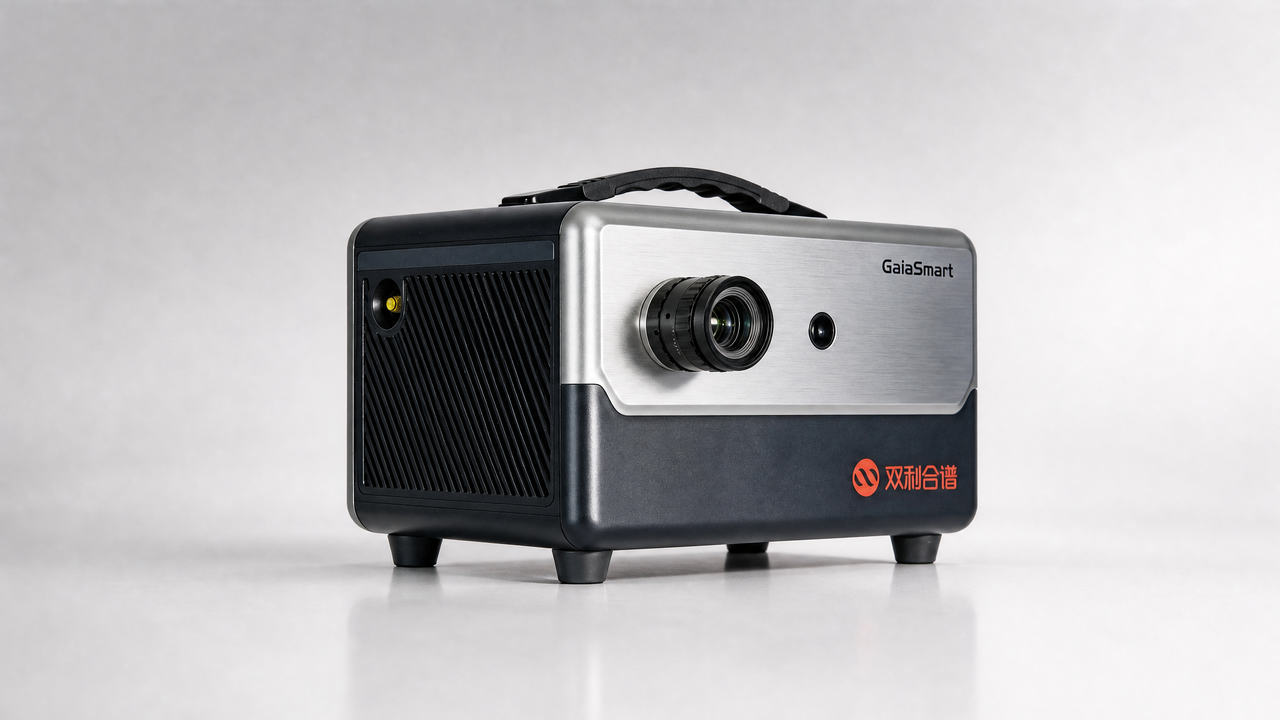
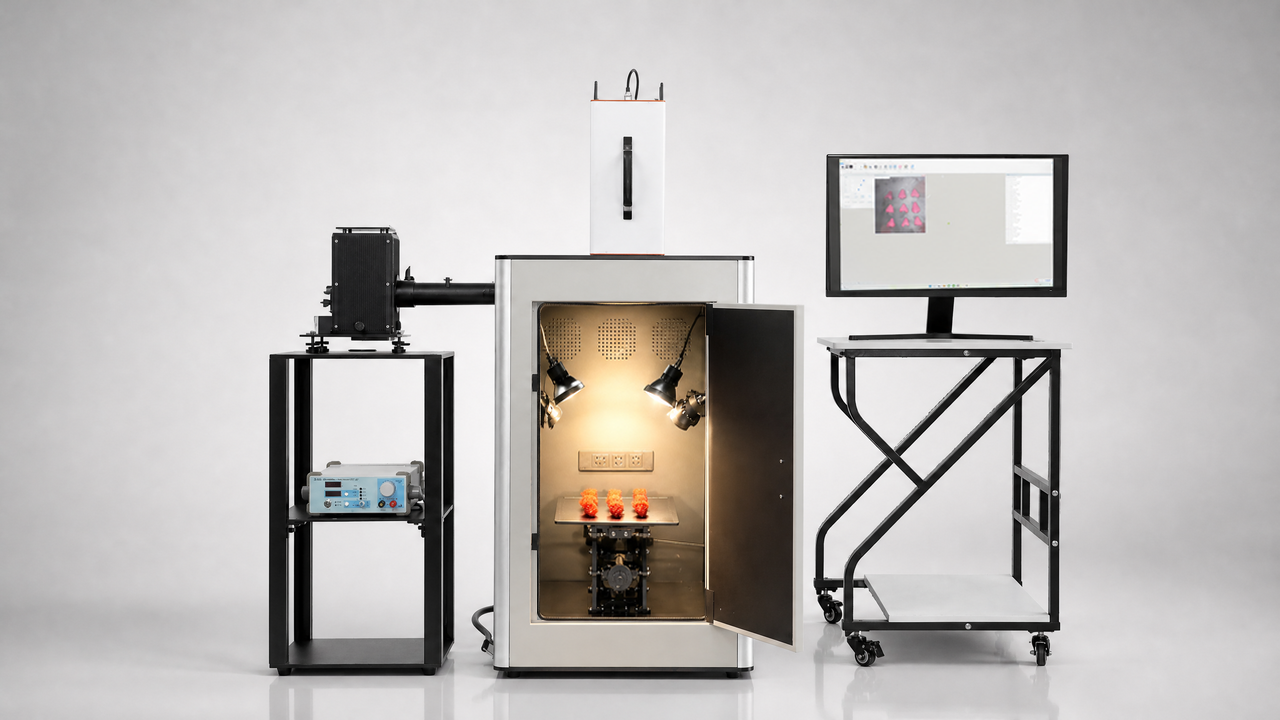
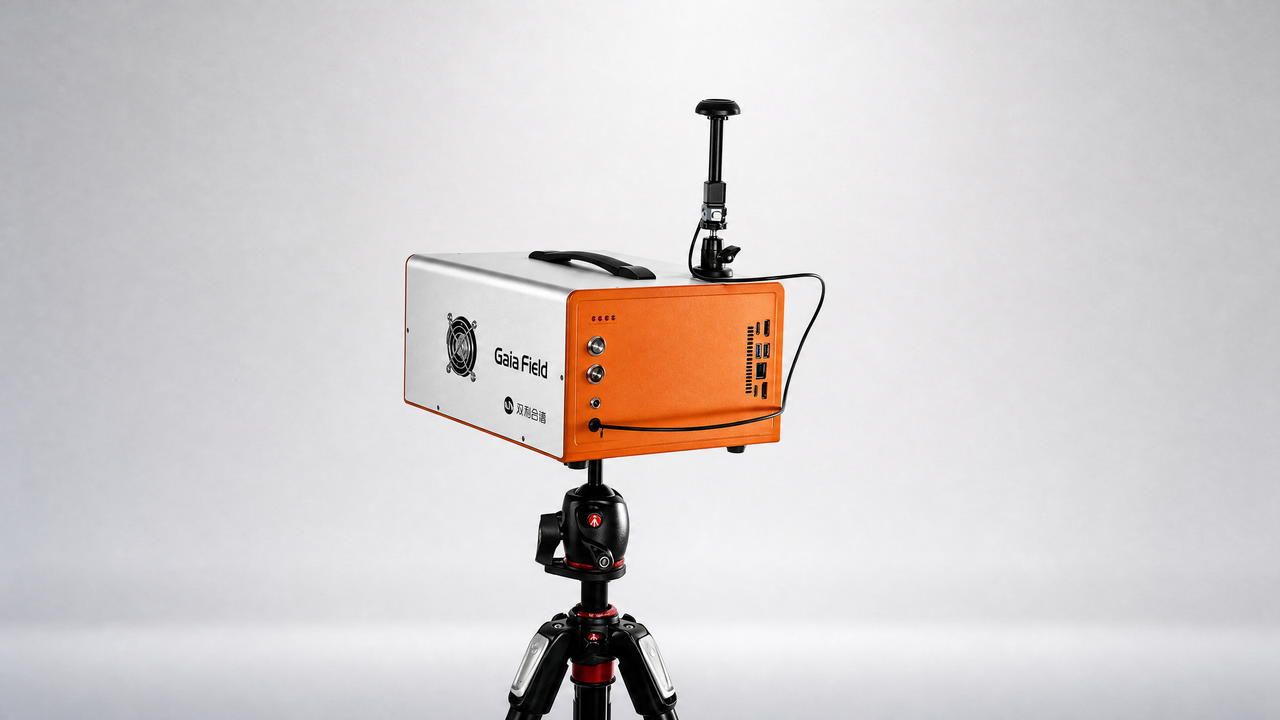
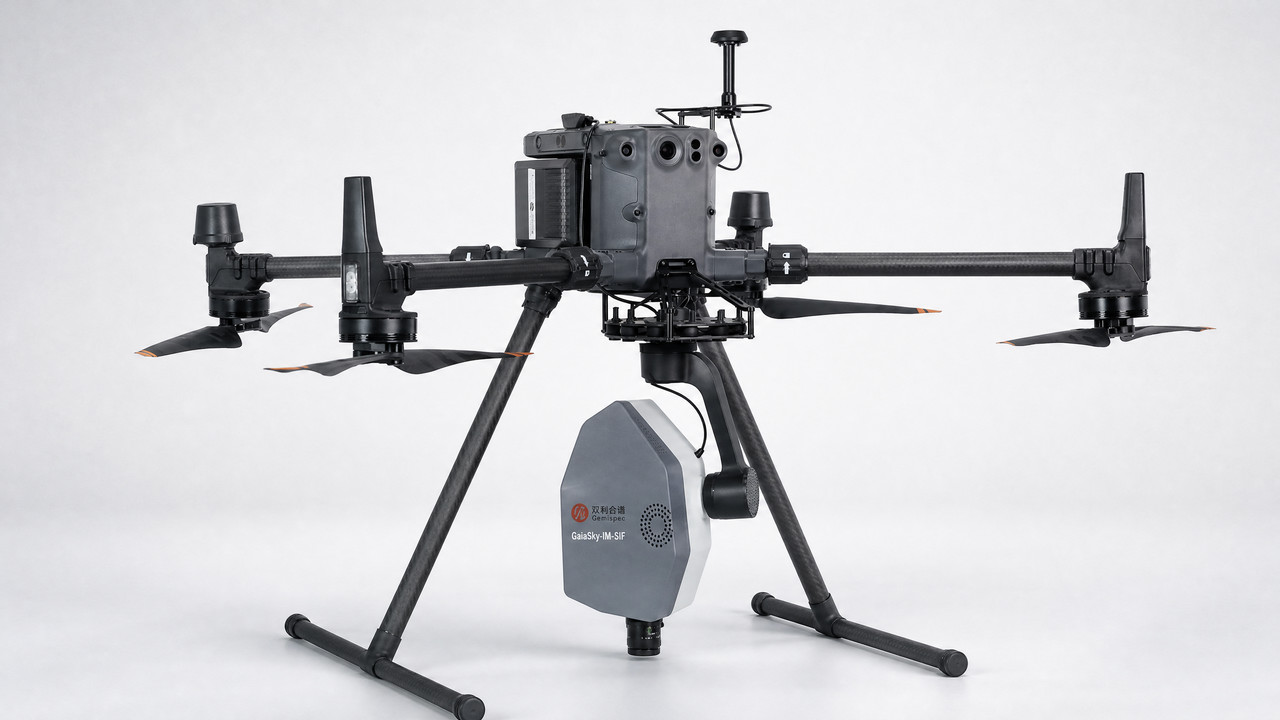
设备:GaiaSky
Low temperature response index for monitoring freezing injury of tea plant
Abstract:Freezing damage has been a common natural disaster for tea plantations. Quantitative detection of low temperature stress is significant for evaluating the degree of freezing injury to tea plants. Traditionally, the determination of physicochemical parameters of tea leaves and the investigation of freezing damage phenotype are the main approaches to detect the low temperature stress. However, these methods are time-consuming and laborious. In this study, different low temperature treatments were carried out on tea plants. The low temperature response index (LTRI) was established by measuring seven low temperature-induced components of tea leaves. The hyperspectral data of tea leaves was obtained by hyperspectral imaging and the feature bands were screened by successive projections algorithm (SPA), competitive adaptive reweighted sampling (CARS) and uninformative variable elimination (UVE). The LTRI and seven indexes of tea plant were modeled by partial least squares (PLS), support vector machine (SVM), random forests (RF), back propagation (BP) machine learning methods and convolutional neural networks (CNN), long short-term memory (LSTM) deep learning methods. The results indicated that: (1) the best prediction model for the seven indicators was LTRI-UVE-CNN (R2 = 0.890, RMSEP=0.325, RPD=2.904); (2) the feature bands screened by UVE algorithm were more abundant, and the later modeling effect was better than CARS and SPA algorithm; (3) comparing the effects of the six modeling algorithms, the overall modeling effect of the CNN model was better than other models. It can be concluded that out of all the combined models in this paper, the LTRI-UVE-CNN was a promising model for predicting the degree of low temperature stress in tea plants.